Skip to main content

Cultivate Your Potential with Smart IoT

Imagine sustainable, safe, and optimized agriculture. Make it possible with our IoT platform for precision farming.

Cultivate Your Potential with
35%

Faster fire response time with smart sensors

30%

Water and fertilizer savings through optimization

85%

Weather prediction accuracy for better harvests

40%

Water consumption reduction with smart irrigation

30%

Improved ETo precision with soil moisture sensors

25%

Crop yield improvement with air quality monitoring

Not optional

What the law and the lenders already ask of this kind of installation.

  • Required by lawOrden TED/1191/2024, control of water volumes abstractedExisting abstractions: one year from November 2024 for the largest, two years for the middle band and three years for the smallest.
  • Required by lawRoyal Decree 1051/2022 on sustainable nutrition of agricultural soilsFertilisation plan required since 1 September 2026.
  • Required by lawCAP conditionality: Royal Decree 1049/2022 (Regulations (EU) 2021/2115 and 2021/2116)Checked every claim year.
  • Required by lenders and insurersGLOBALG.A.P. IFA v6 GFS, Fruit and VegetablesVersion 6 applies since 1 January 2025.
What each rule requires
01
Improvement in irrigation efficiency
35%

Improvement in irrigation efficiency

02
Reduction in operational costs
20%

Reduction in operational costs

03
Increase in crop sustainability
25%

Increase in crop sustainability

Your Olive Groves with IoT
01

Your Olive Groves with IoT

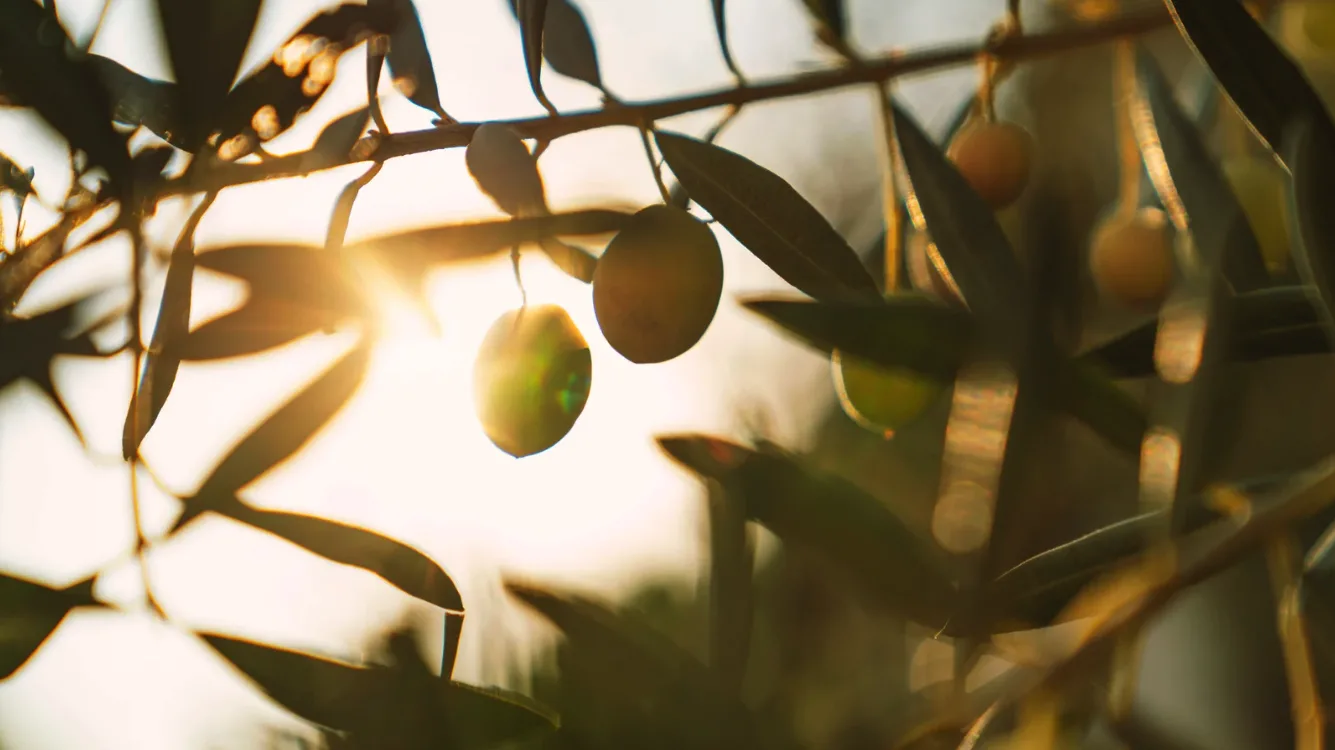
Cloud Studio IoT platform helps farmers optimize irrigation and improve soil quality in olive groves, moving agricultural management towards greater sustainability and efficiency.

Grow Organically
02

Grow Organically

Rediscover what your project is capable of. What is already good can be even better. Looking for new ways to increase your production? IoT is already transforming industries, including agriculture. Take the new step you were looking for.

Revolutionize Your Vineyard with IoT Solutions
03

Revolutionize Your Vineyard with IoT Solutions

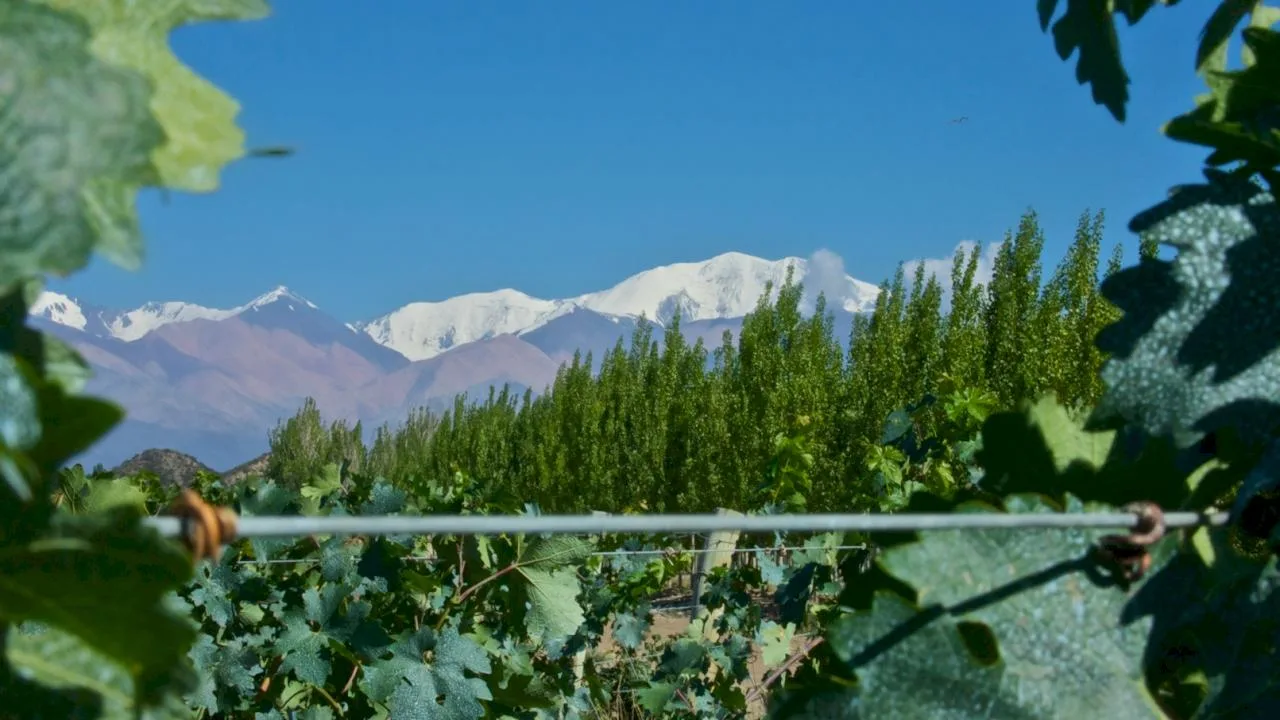
Perfect every phase of cultivation, from irrigation to climate monitoring. In vineyards like those in La Rioja, water usage can be reduced by 25% and harvest quality improved - more for less - by adjusting irrigation cycles according to soil conditions.

Innovation that transforms your agriculture

From irrigation automation to precise resource management, our solutions drive the smart agriculture of the future.

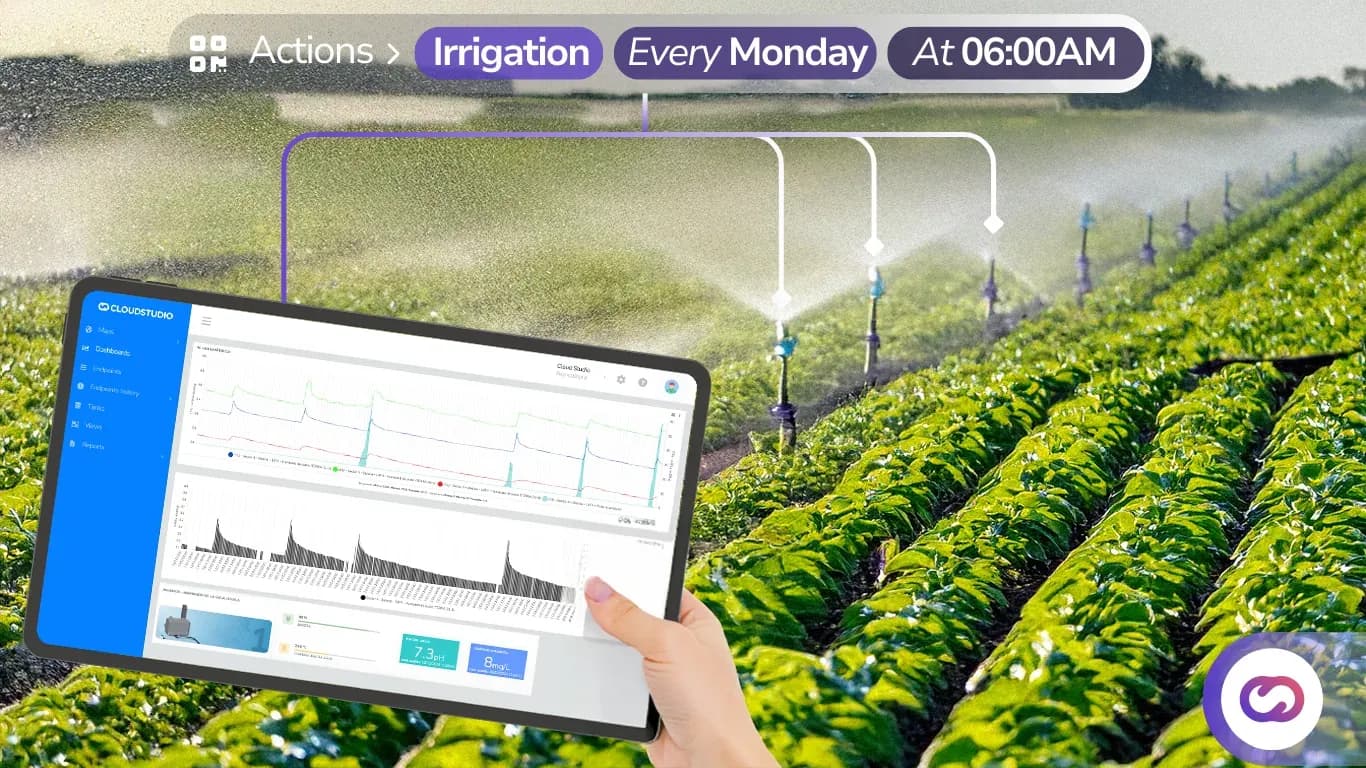
Smart Irrigation Management

Automate and optimize water usage based on real-time soil and weather data.

Temperature & Humidity Monitoring

Track environmental conditions 24/7 to protect your crops.

Agricultural Machine Automation

Connect and control your machinery remotely for maximum efficiency.

Weather Stations

Get accurate local weather forecasts to plan your operations.

Water Quality

Monitor water quality parameters to ensure healthy irrigation.

Fire Prevention

Early detection systems to protect your fields and investments.

Regulations and certifications

What is required by law, what lenders and insurers ask for, and what is optional, with how continuous monitoring helps document it. The platform supports compliance; it does not certify it.

Required by law

Rules in force for the buildings and operators in their scope. Not meeting them can bring inspections, fines or loss of a licence.

  • Required by lawSpainLaw

    Orden TED/1191/2024, control of water volumes abstracted

    Articles 3, 4, 5, 7 and 16; first transitional provision

    What it requires: Every holder of a water right must install and maintain a meter that records and stores volumes electronically. Recording is at least daily below 500,000 m³ a year and hourly above, and volumes go to the basin authority yearly (under 20,000 m³), quarterly (up to 500,000 m³) or in real time (above).

    Applies: Existing abstractions: one year from November 2024 for the largest, two years for the middle band and three years for the smallest.

    If it is not met: Infractions under the Water Act: up to 10,000 euros if minor, up to 50,000 if less serious, up to 500,000 if serious and up to 1,000,000 if very serious. Not sending the volumes is minor or less serious depending on the damage.

    How monitoring helps: The meter's pulse or Modbus output is read over LoRaWAN, giving the daily or hourly series, alarms for gaps or overuse and files ready to export. The certified meter and the official submission remain the holder's; there is no direct link to the basin authorities' portals.

    Official source
  • Required by lawSpainLaw

    Royal Decree 1051/2022 on sustainable nutrition of agricultural soils

    Articles 4, 5 and 17.2

    What it requires: A fertilisation plan for each production unit, every application of nutrients or organic matter recorded in the farm record book within one month, and the doses and dates of irrigation recorded within one month too (by fortnight in intensive crops or with regular fertigation). Holdings of 5 ha or less with 1 ha or less irrigated are exempt from the records.

    Applies: Fertilisation plan required since 1 September 2026.

    If it is not met: The decree refers to the sanctions of the CAP, water and waste laws, and its records are part of CAP conditionality.

    How monitoring helps: Flow meters on each sector record every irrigation with its date and volume, and the platform exports that history per plot ready to copy into the record book. The plan and the entries are still the farmer's or the adviser's.

    Official source
  • Required by lawEuropean UnionLaw

    CAP conditionality: Royal Decree 1049/2022 (Regulations (EU) 2021/2115 and 2021/2116)

    Annex I, SMR 1 and 2; Annex II, GAEC 10; article 15

    What it requires: To receive CAP payments: a legal right to the water used and control of abstractions, compliance with the nitrate action programme in vulnerable zones, and the fertilisation records and plan of Royal Decree 1051/2022.

    Applies: Checked every claim year.

    If it is not met: Aid is reduced by 3% as a rule (1% if unintentional), up to 10% for serious breaches or repetition, and at least 15%, up to 100%, if intentional.

    How monitoring helps: Dated water and irrigation records make it easier to show compliance when an inspector visits. Payment depends on the farmer's compliance; the platform does not guarantee aid.

    Official source
  • Required by lawSpainLaw

    Royal Decree 1311/2012 on sustainable use of plant protection products, article 16

    Article 16; Implementing Regulation (EU) 2025/2203

    What it requires: Every treatment recorded electronically, with data provided at least monthly, and records and supporting documents kept at least three years.

    Applies: Paper records allowed until 31 December 2026; electronic from 1 January 2027.

    How monitoring helps: The weather station records wind, humidity and temperature at the time of each treatment as supporting evidence. The treatment register itself is kept in the farmer's record book software.

    Official source
  • Required by lawSpainLaw

    Royal Decree 1054/2022, SIEX and the digital farm record book

    Article 9 and Annex II; eighth final provision

    What it requires: A farm record book wherever sector rules ask for one (fertilisation, plant protection, CAP), which can already be kept electronically and connected to SIEX.

    Applies: The digital book becomes mandatory in the next CAP programming period for holdings above 30 ha of crops, 5 ha irrigated or 0.1 ha of greenhouse.

    How monitoring helps: Irrigation volumes and weather data are available through the API for the record book software. There is no native connector with SIEX; the entries are made by the farmer or their software.

    Official source
  • Required by lawSpainLaw

    Royal Decree 47/2022 on nitrate pollution from agricultural sources

    Articles 4 to 6 and Annex 3

    What it requires: In vulnerable zones, the regional action programme and code of good practice are mandatory: closed periods, storage capacity and a cap of 170 kg of nitrogen per hectare and year from manure.

    Applies: Set by each region's action programme, reviewed at least every four years.

    If it is not met: Enforced through CAP conditionality and regional rules.

    How monitoring helps: Soil moisture and rainfall help avoid applying fertiliser on waterlogged soil or just before heavy rain, and the history of applications supports the nitrogen balance.

    Official source

Required by lenders, insurers and investors

Not a legal duty for the owner, but it decides financing terms, insurance or the value of the asset.

  • Required by lenders and insurersInternationalCertification

    GLOBALG.A.P. IFA v6 GFS, Fruit and Vegetables

    Control points FV-GFS 01.02, 30.02.01, 30.06.01 to 30.06.03 and 32.02.02

    What it requires: Valid water permits, irrigation needs calculated from data such as rain gauges and soil moisture meters, records of irrigation and fertigation water, monthly water use by source, the weather at each treatment, and records kept at least two years.

    Applies: Version 6 applies since 1 January 2025.

    If it is not met: Not a law, but retailers and buyers ask for it; a major non-conformity blocks the certificate.

    How monitoring helps: Soil moisture probes, rain gauges, the weather station and flow meters produce exactly the data and records these control points list, kept for longer than two years. The certification body audits; we do not certify.

    Official source

Technical references

Standards and guides that become binding where a regulation or the authority adopts them, and the yardstick an inspector or auditor uses.

  • Technical referenceInternationalGuideline

    FAO Irrigation and Drainage Paper 56, crop evapotranspiration

    FAO Penman-Monteith method and crop coefficients

    What it requires: The standard method to calculate reference evapotranspiration from temperature, humidity, radiation and wind, and the crop water requirement from it.

    How monitoring helps: The weather station supplies the inputs the method needs, which is how a farm shows that irrigation is calculated from data.

    Official source

Farm monitoring: the water, fertiliser and treatment records farms now have to keep, and how to keep them from sensors

Between 2024 and 2027 Spanish farms have gone from keeping a notebook to keeping dated digital records: a meter on every water abstraction, the dose and date of every irrigation, a fertilisation plan for every plot and treatments recorded electronically. CAP payments depend on several of them, and retailers ask for the same data through GLOBALG.A.P. This guide explains each obligation, its deadline, which sensor produces the data, and what still has to be done by the farmer or the adviser.

The obligations and their deadlines

Water comes first. Orden TED/1191/2024 requires every holder of a water right to install a meter that records volumes electronically, at least daily, and to send them to the basin authority: yearly below 20,000 m³, quarterly up to 500,000 m³ and in real time above that. Existing abstractions had one to three years from November 2024 depending on their size. Breaches fall under the Water Act, with fines from 10,000 euros for minor ones up to one million for very serious ones.

Then fertiliser and irrigation. Royal Decree 1051/2022 requires a fertilisation plan for each production unit since 1 September 2026 and records, within one month, of every application and of the dose and date of each irrigation. Treatments go electronic: paper records are only allowed until 31 December 2026. And CAP conditionality ties payments to these records and to the water right: a breach reduces aid by 3% as a rule and up to 100% if intentional.

ObligationDeadlineData that answers it
Meter on each abstraction (TED/1191/2024)One to three years from November 2024, by sizeDaily or hourly volume from the meter
Fertilisation plan and records (RD 1051/2022)Plan since 1 September 2026; records within a monthVolume and date of each irrigation per sector
Electronic treatment records (RD 1311/2012)From 1 January 2027Wind, humidity and temperature at each treatment
CAP conditionality (RD 1049/2022)Every claim yearAll of the above, ready for an inspection
GLOBALG.A.P. IFA v6Every auditIrrigation calculated from data, monthly water use

Why water data matters more every year

At the end of September 2026, MITECO counted 64 drought units in prolonged drought and six in emergency for water scarcity. Spanish farms used 15,495 hm³ of irrigation water in 2018 according to INE, and drip irrigation was already 40% of it. When a basin cuts allocations, a farm that knows its daily consumption per sector decides where the water goes; one that does not, finds out at the end of the season.

The weather is the other risk. Agricultural insurance in Spain paid 804 million euros in claims in 2025, the second highest figure on record, more than 455 million of it for hail. A weather station does not stop a storm, but it records frost and heat on each plot and gives the warning in time to act.

What to measure on the farm

  • The meter on each well or intake: Its pulse output is read over LoRaWAN with a reader such as the Milesight EM300-DI, giving the daily series, alarms for gaps or overuse and files ready for the basin authority.
  • Flow per irrigation sector: The dose and date of each irrigation, per plot, which is exactly what the fertilisation records ask for.
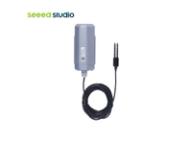
  • Soil moisture: Probes such as the SenseCAP S2105 at several depths show when to irrigate and when the soil is too wet to fertilise, which GLOBALG.A.P. and the nitrate rules care about.
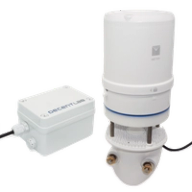
  • Weather station: A station such as the Decentlab DL-ATM41 measures temperature, humidity, radiation, wind and rain: the inputs of the FAO-56 method for crop water needs, the conditions at each treatment and frost alarms.

What stays with the farmer: the certified meter and the official submission to the basin authority, the fertilisation plan, the treatment register and the entries in the record book. The data is available through the API for record book software; there is no native connector with SIEX.

How to plan a pilot

  • 1. Start with the meters that have a deadline: The abstractions whose deadline is closest, and the ones that will report quarterly or in real time.
  • 2. Add the irrigation sectors of one crop: Flow per sector and two soil moisture probes per sector give a full season of records to compare.
  • 3. One weather station per microclimate: Not one per plot: one per area that frosts or heats differently.
  • 4. Hand the data to the adviser: The adviser uses it for the fertilisation plan and the record book; then extend to the rest of the farm or the cooperative.

What to ask a provider

  • Does it read the meter I already have?: The certified meter is the legal one; the platform should read it, not replace it.
  • Can I export the data for the basin authority and the record book?: Files and an API, with the farmer as owner of the data.
  • Does it work where there is no coverage?: LoRaWAN reaches kilometres from one gateway, and the gateway only needs a mobile or fixed internet connection.
  • Does it promise CAP aid?: No platform can. It provides the records; payment depends on complying.

Cloud Studio IoT runs in AWS (Frankfurt for Europe) or on your own servers, and under your brand if you are a cooperative, an irrigation community or an integrator. Tell us about your farm.

Sources

  1. Orden TED/1191/2024 (BOE)
  2. Royal Decree 1051/2022 on soil nutrition (BOE)
  3. Royal Decree 1049/2022, CAP conditionality (BOE)
  4. Royal Decree 1311/2012 on plant protection products (BOE)
  5. GLOBALG.A.P. IFA v6 GFS, Fruit and Vegetables
  6. MITECO, drought report October 2026
  7. INE, water use in agriculture 2018
  8. Agroseguro, agricultural insurance in 2025

Smart Agriculture IoT: Frequently Asked Questions

Everything you need to know about implementing IoT in precision farming

Get Started

Drive agricultural transformation in your field today

Experience how our IoT solutions can improve your production and sustainability with Cloud Studio IoT.