Thermal early fire detection in recycling, biomass and wood plants
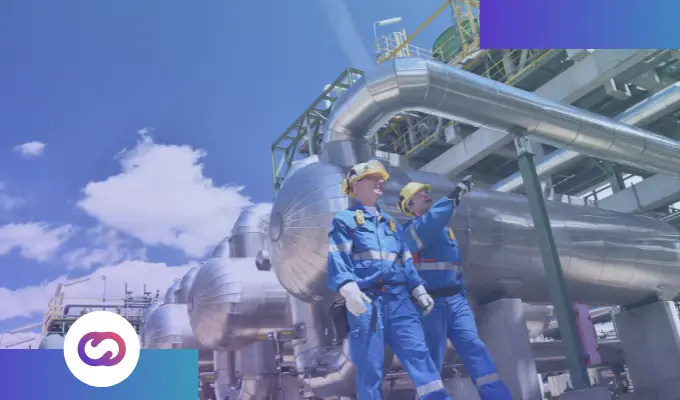
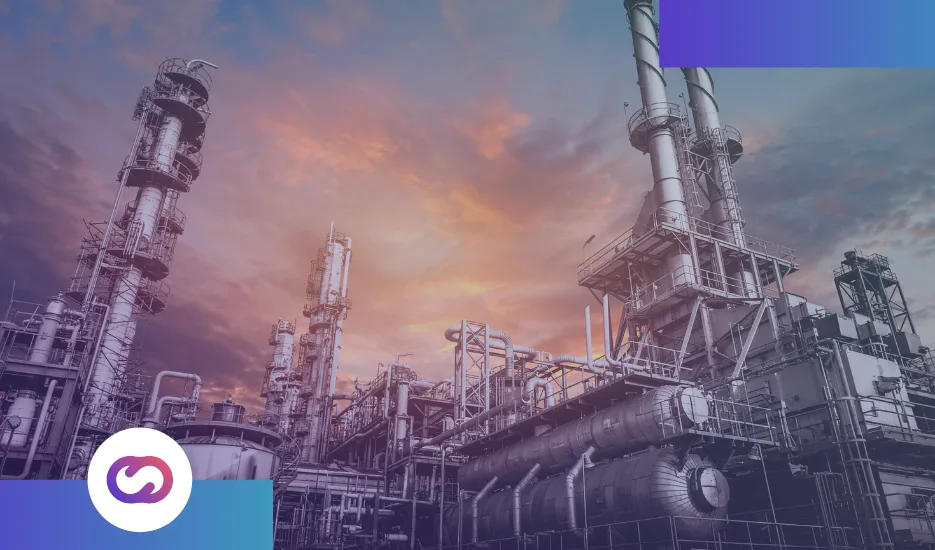
In recycling centres, biomass plants, wood processing and coal handling, fires usually start as a hot spot inside a pile, a shredder or a conveyor long before there is smoke or flame. Thermal cameras watch those surfaces continuously and raise the alarm while the hot spot is still small.
Why fires at waste and recycling sites start where nobody is looking
Most fires at these sites do not start with a flame in the open. They start inside a pile that heats itself, in a shredder that sparks on a battery, or in a load that arrives already smouldering, often at night or at the weekend. In the United States the EPA counted 245 fires caused or likely caused by lithium batteries at 64 waste facilities between 2013 and 2020, and warns that the real number is probably much higher.
Regulators that write fire prevention guidance for these sites describe the same response: watch the temperature of the piles with triggers, and detect early both while the site is working and while it is closed. That is what a thermal monitoring system does.
How it works
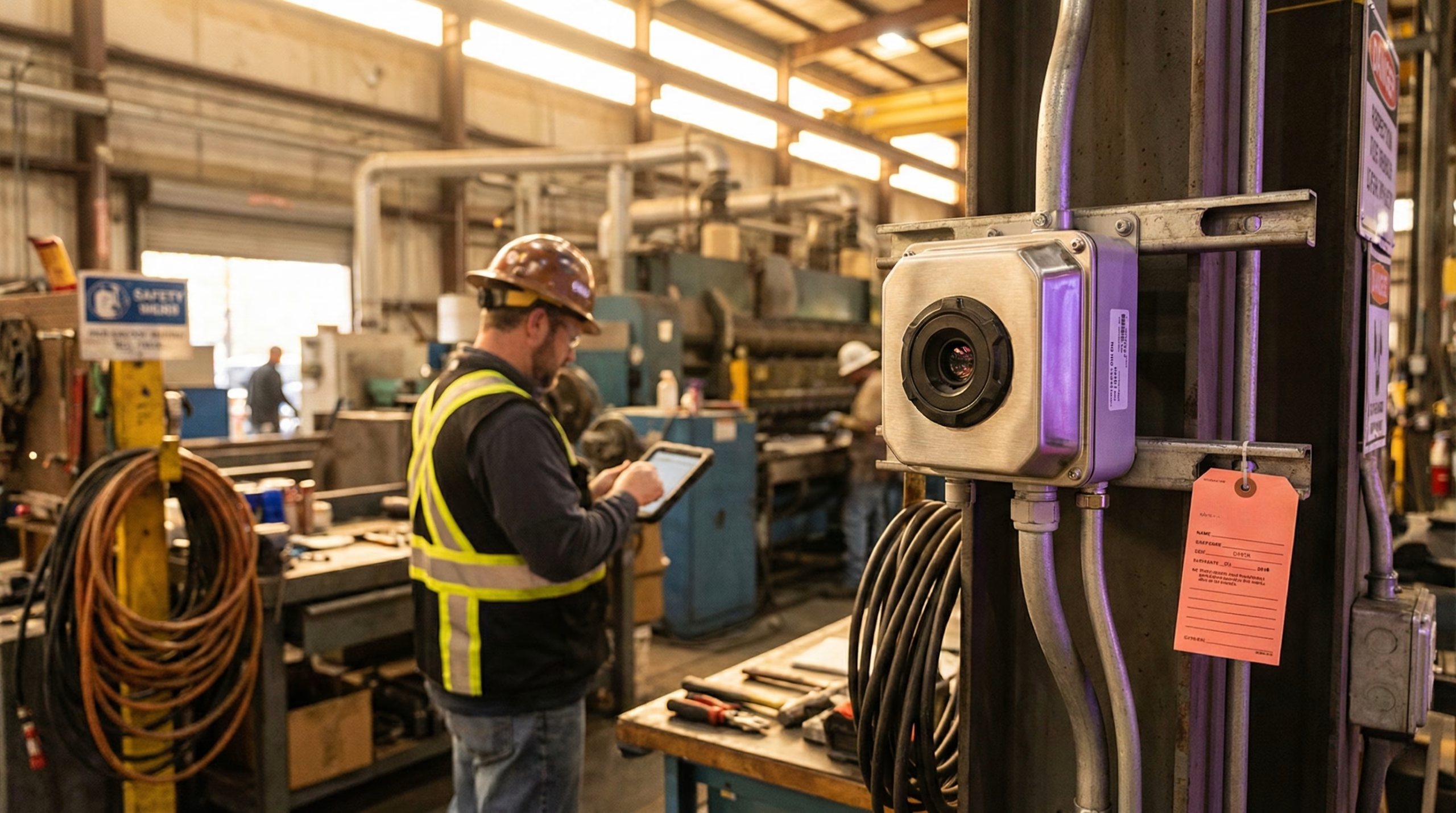
- Thermal cameras: radiometric cameras (for example FLIR A35) cover piles, bunkers, shredders and conveyors and measure the temperature of every point in the image.
- Thresholds per zone: each area has its own pre-alarm and alarm temperatures, so a hot engine does not trigger the same response as a smouldering pile.
- Alarms: by email, SMS, WhatsApp, voice call and push, with the thermal image of the hot spot, so the person on duty sees where to go.
- Cloud or on-premise: the platform runs in our cloud or on the plant's own servers; several large MoviTHERM customers run it on-premise.
Thermal cameras, aspirating detection and the fire code
Aspirating smoke detection (VESDA-type systems) and the detectors required by the fire code look for smoke. Thermal cameras look for heat before there is smoke, which is what matters in open piles and machines in recycling and biomass plants. Thermal early detection complements the fire detection system your regulations require (RIPCI in Spain, NFPA 72 in the US); it does not replace it.
Where it is used
MoviTHERM, a thermal imaging specialist based in Irvine, California, built its early fire detection system (iEFD) on Cloud Studio IoT for coal processing, biomass plants, recycling centres and wood processing. It is industrial fire detection, not wildfire monitoring.
Reference architecture
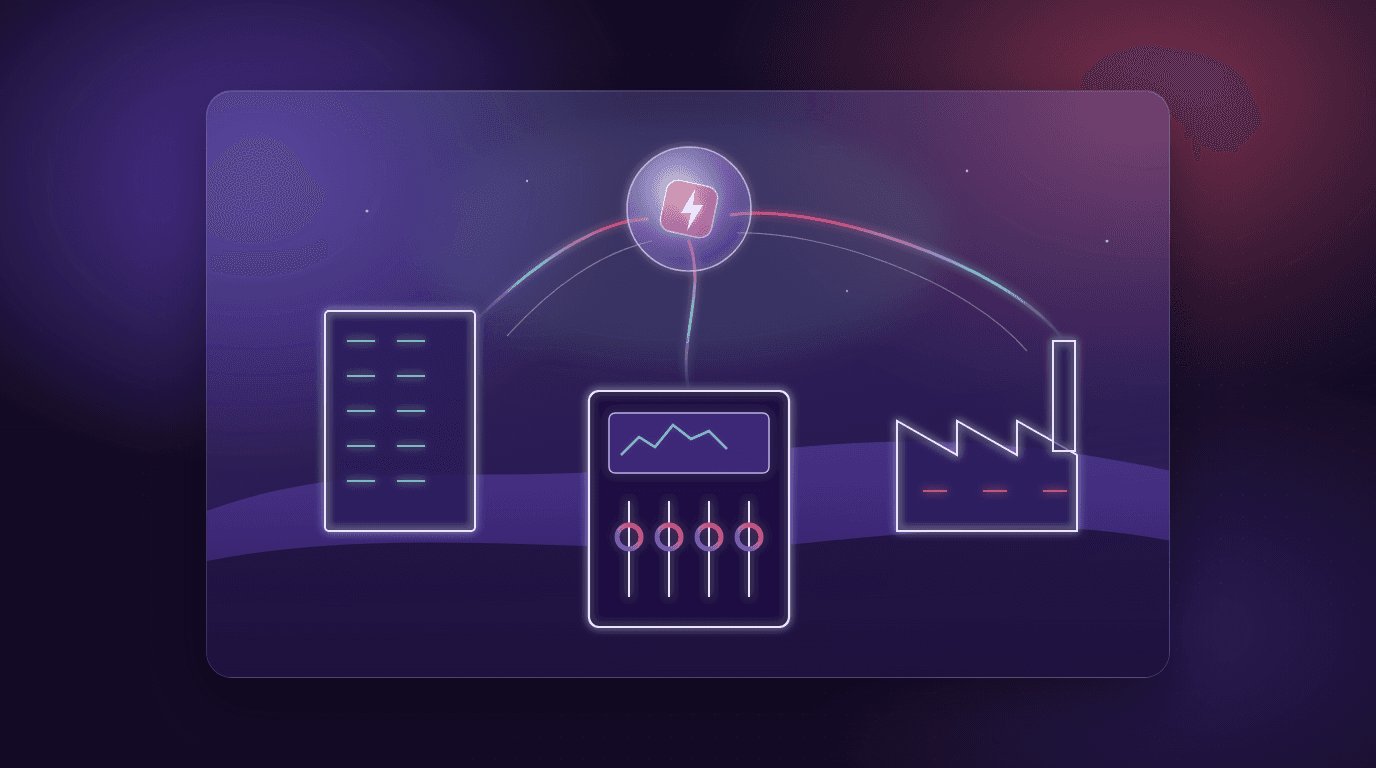
- Fixed radiometric cameras: each camera measures the temperature of every pixel, not just an image. One camera covers a pile, a pit, a shredder outfeed or a conveyor transfer point; the number of cameras comes from the field of view and the distance to each zone.
- Plant network: the cameras send their readings over the site's wired network. Where there is no cabling, the readings can travel over a mobile router.
- Platform in the cloud or on site: the platform stores every reading, evaluates the thresholds per zone and keeps the history. It runs in our cloud or on the plant's own servers, with no internet access if the site requires it; in that mode alarms appear on screen in the control room.
- People on call: each zone has its own recipients and channels: email, SMS, WhatsApp, voice call and push. A pre-alarm can go to the shift lead and a full alarm can call the person on duty.
How zones and thresholds are set up
Thresholds are not universal. Each plant sets them with its safety manager and, often, its insurer, after watching the normal temperatures of each zone for a few days. What the platform gives you is the structure:
| Zone | What is watched | Alarm logic |
|---|---|---|
| Waste or biomass pile | Maximum surface temperature of the pile | Pre-alarm and alarm per zone; the hot spot image goes with the notice |
| Shredder and conveyors | Hot material leaving the machine, hot bearings | Separate zones with their own thresholds, so a warm motor does not trigger the same response as burning material |
| Reception pit and storage bays | Loads arriving already hot, smouldering inside the pile | Pre-alarm and alarm around the clock, including nights and weekends when nobody is in the bay |
How to run a pilot
- Pick one zone: start where the plant has had the most incidents or near misses, usually the reception pit or the shredder outfeed.
- Watch before alarming: record the normal temperatures of the zone first, then set the pre-alarm and alarm thresholds with the safety manager.
- Decide who gets each notice: by shift, with more than one person on the list for full alarms.
- Review and extend: go through the alarms of the pilot, adjust thresholds and areas, and then add the next zones.
What to ask a supplier
- Radiometric or not: a camera that only shows an image cannot apply temperature thresholds. Ask for the temperature of every point.
- Thresholds per zone: one threshold for the whole site produces false alarms from motors and exhausts.
- Alarms that reach people at night: a voice call or SMS to the person on duty, not only an email nobody reads at 3 a.m.
- History you can show: readings and alarms stored with date and time, for the insurer and for your own incident reviews.
- Cloud or on site: some plants cannot send data outside; check that the system works on the plant's servers without internet.
- What it does not replace: a supplier that says thermal monitoring replaces the mandatory detection system is wrong. It complements it.
Sources
- US EPA (2021). An Analysis of Lithium-ion Battery Fires in Waste Management and Recycling
- Environment Agency (England). Fire prevention plans: environmental permits
- VdS 2517:2025-03. Sorting, processing and storage of municipal waste and combustible secondary raw materials: fire protection guidance (German)