IoT asset tracking: how it works and how to choose
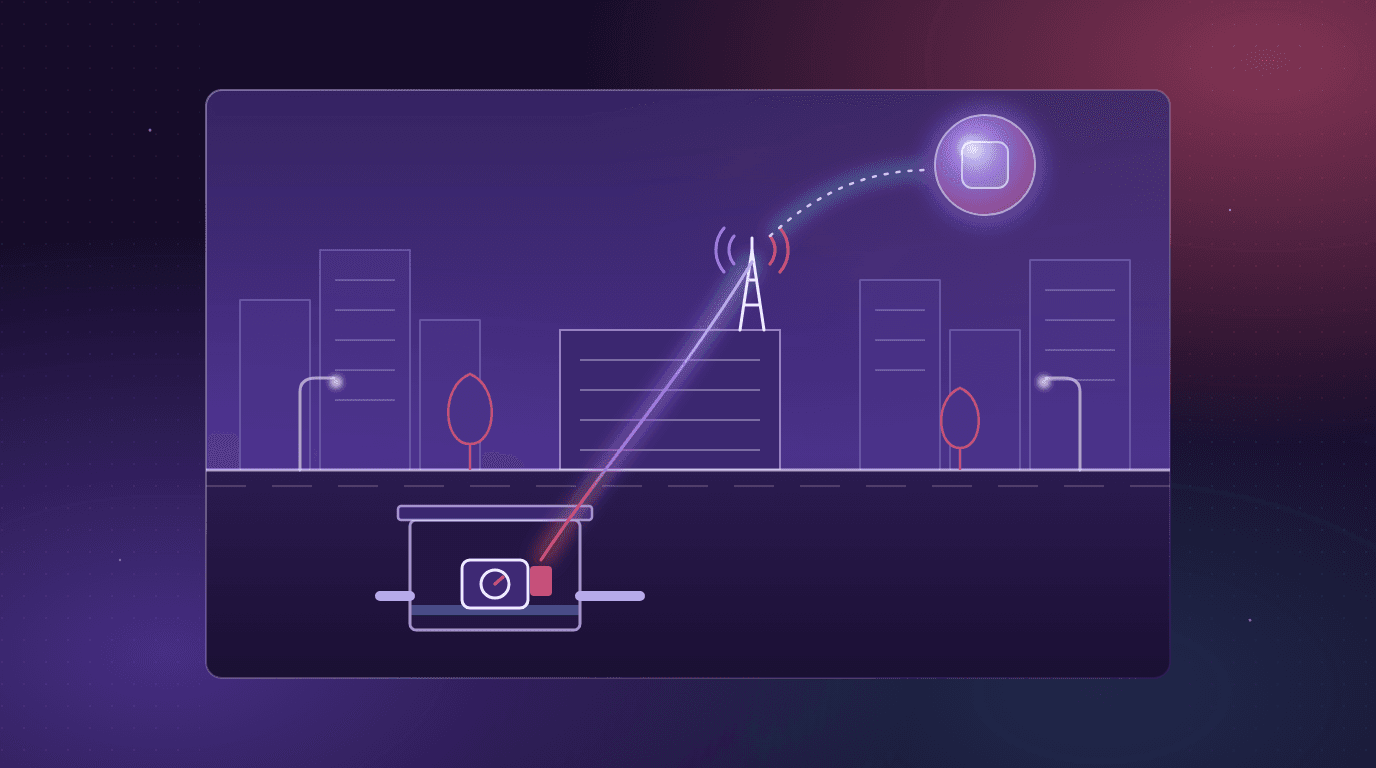
IoT asset tracking puts a small tracker on each asset and sends its position, and often its temperature or movement, to a platform. The platform turns those positions into answers your team can act on: where something is, whether it left a zone and how long it has been idle.
What an asset tracking system is made of
- Tracker: A battery device fixed to the asset. Besides position it can report temperature, shocks, tilt or whether the asset is moving.
- Network: How the reading gets out: cellular (LTE-M or NB-IoT), LoRaWAN, or Bluetooth gateways inside a building.
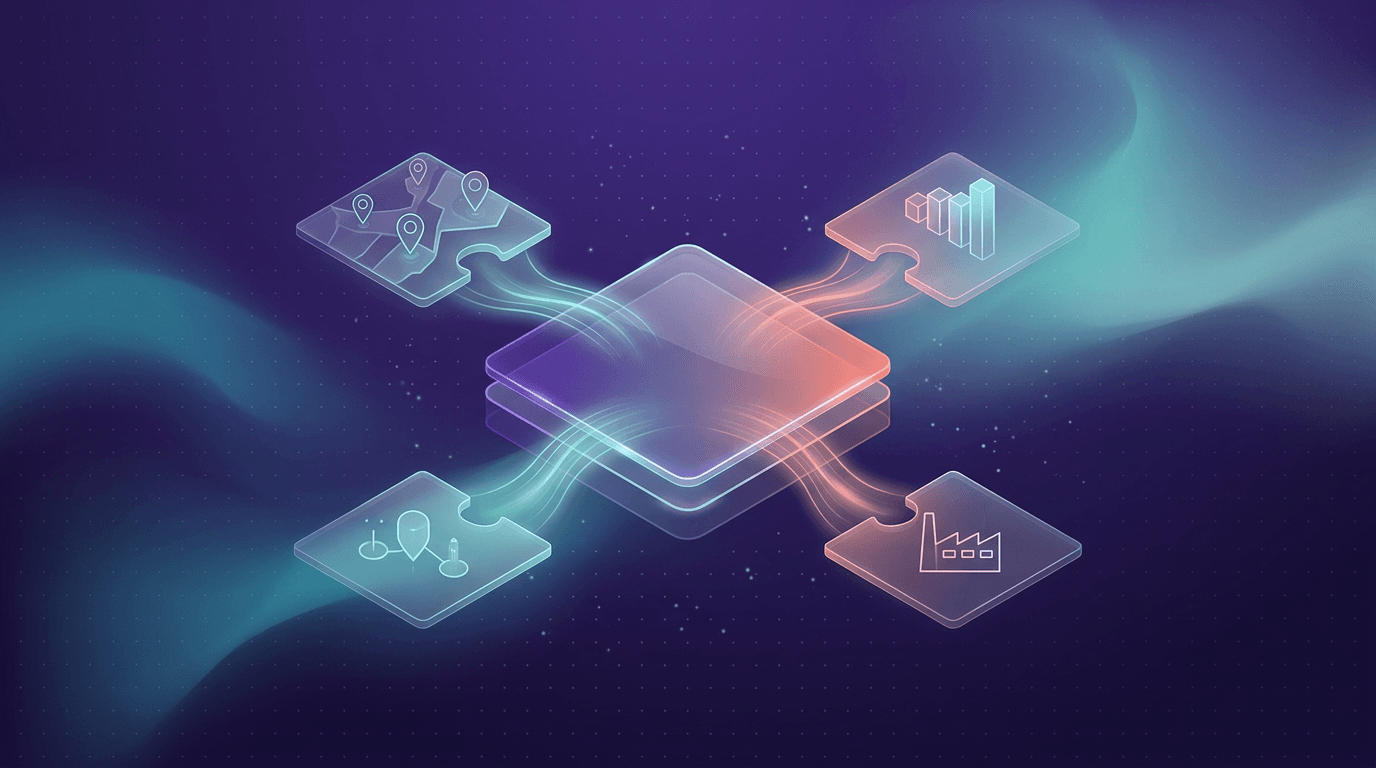
- Platform: Where positions become a map, a history, alerts and reports, and where they connect to your ERP or WMS.
Asset tracking technologies compared
No technology wins everywhere. The right one depends on whether the asset lives indoors or outdoors, how precise the position must be and how often someone can change batteries.
| Technology | Where it works | Typical accuracy | Battery life | Good for |
|---|---|---|---|---|
| GNSS (GPS) + cellular | Outdoors, wherever there is mobile coverage | A few meters | Months to a few years, depending on how often it reports | Vehicles, containers, machinery in the field |
| GNSS + LoRaWAN | Outdoors, within range of a gateway | A few meters with GNSS, tens to hundreds of meters with network geolocation | Several years | Yards, farms, construction sites, cities |
| Bluetooth Low Energy (BLE) | Indoors, with BLE gateways or phones | Room or zone level | 1 to 5 years for a beacon | Tools, carts, medical equipment |
| Ultra-wideband (UWB) | Indoors, with anchors installed | 10 to 30 cm | Shorter than BLE, depending on the update rate | Forklifts, high-value items, safety zones |
| Passive RFID | At read points such as doors and gates | Presence at a reader, not a continuous position | No battery in the tag | Inventory, pallets crossing dock doors |
Indoors, outdoors or both
Many operations need both. A trailer is tracked by GNSS on the road and by BLE once it enters the warehouse. Hybrid trackers switch between the two, and the platform merges both sources into one timeline per asset, so the team doesn't have to check two systems.
What the platform has to do
- Live map and history: Where each asset is now and the route it followed, filtered by site, customer or asset type.
- Geofences and alerts: A warning when an asset leaves a yard, enters a zone it shouldn't or sits idle for too long.
- Sensor data: Temperature for the cold chain, shocks for fragile goods, hours of use for rented equipment.
- Utilization reports: How many assets are really in use, so you can move them around instead of buying more.
- Integrations: Positions and events flow to your ERP, WMS or maintenance software through an API or MQTT.
- Multi-tenant: If you are an integrator, each customer sees only their own assets, under your brand.
How to choose a tracker
Answer five questions before looking at models: does the asset live indoors, outdoors or both; how often do you need a position; can someone reach it to change the battery; which network already covers the site; and which readings you want besides location. Our library of LoRaWAN devices lists trackers with their decoders ready for the platform.