Skip to main content

Manage Your Solar Energy in Real Time

Would you like to optimize your solar panel infrastructure?

Manage Your Solar Energy in
30%

Increase in energy production

25%

Improvement in system efficiency

40%

Reduction in downtime

50%

Carbon emissions reduction

35%

ROI improvement

99%

System uptime

Not optional

What the law and the lenders already ask of this kind of installation.

  • Required by lawRoyal Decree 244/2019 on self-consumptionBefore the installation is activated.
  • Required by lawLow Voltage Electrotechnical Regulation (Royal Decree 842/2002), ITC-BT-40 and ITC-BT-05Initial inspection before going into service; then every five years.
  • Required by lawDirective (EU) 2024/1275 (EPBD), article 10: solar energy in buildingsNew public and non-residential buildings by 31 December 2026; the rest in steps up to 2030. Spain had not transposed it in November 2026: the measure is in the draft of the new building code.
  • Required by lenders and insurersDelegated Regulation (EU) 2021/2139 (EU Taxonomy), activities 4.1 and 7.6Applies whenever a bank, fund or bond reports taxonomy alignment.
What each rule requires
01
Energy production increase
30%

Energy production increase

02
Faster payback period
25%

Faster payback period

03
System reliability
99%

System reliability

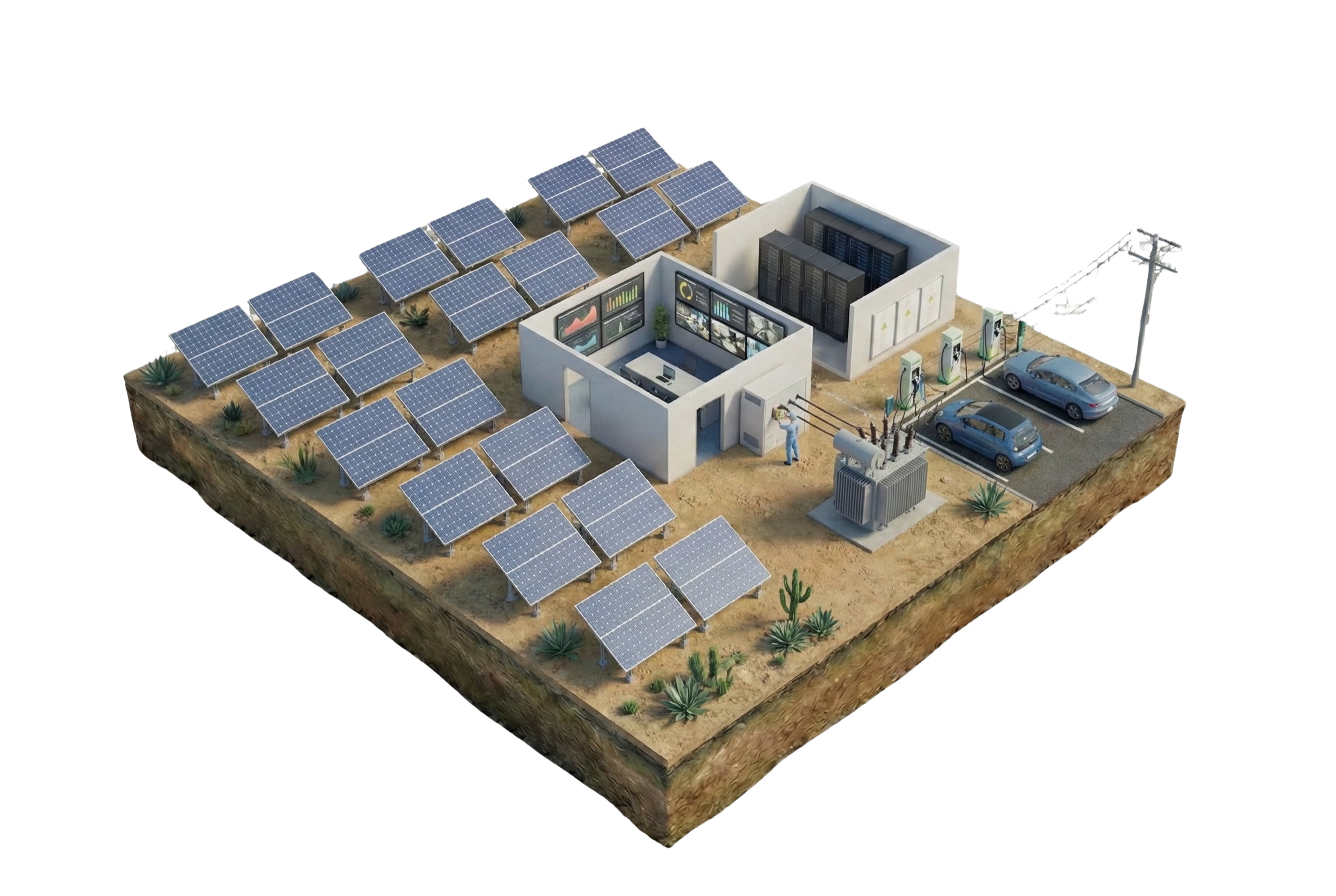
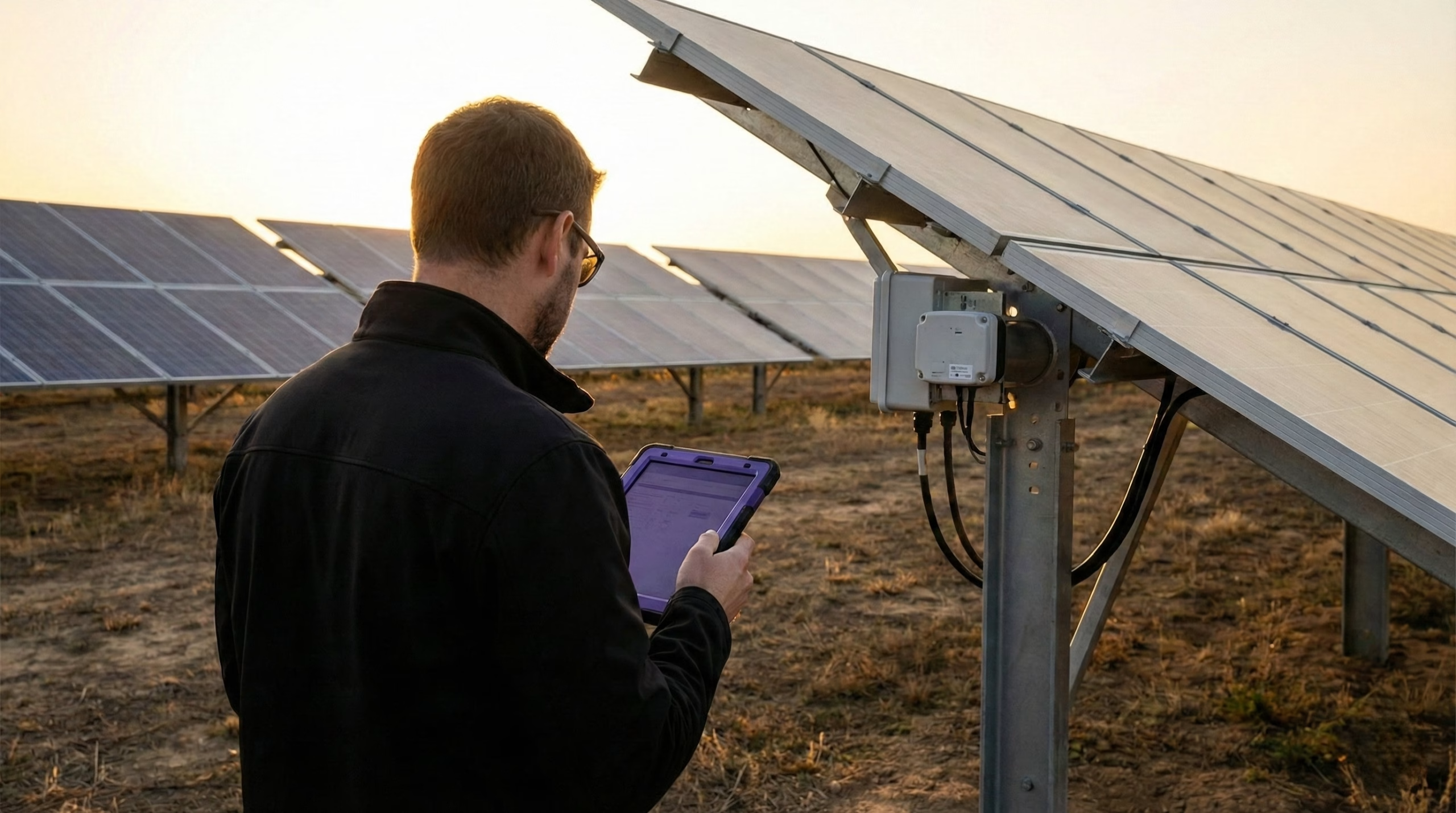
Utility-Scale Solar Farms
01

Utility-Scale Solar Farms

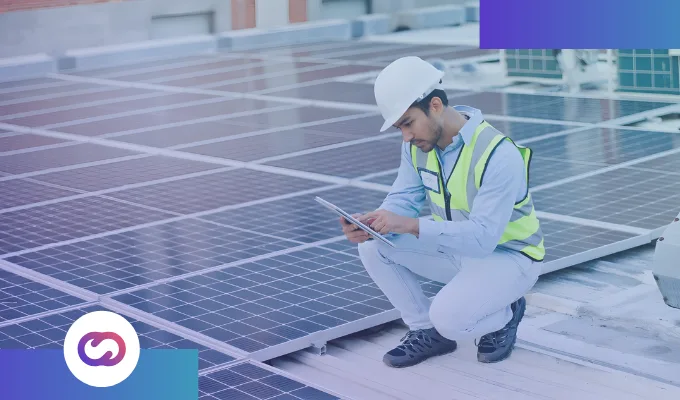
Large solar installations achieve optimal performance with real-time monitoring across thousands of panels.

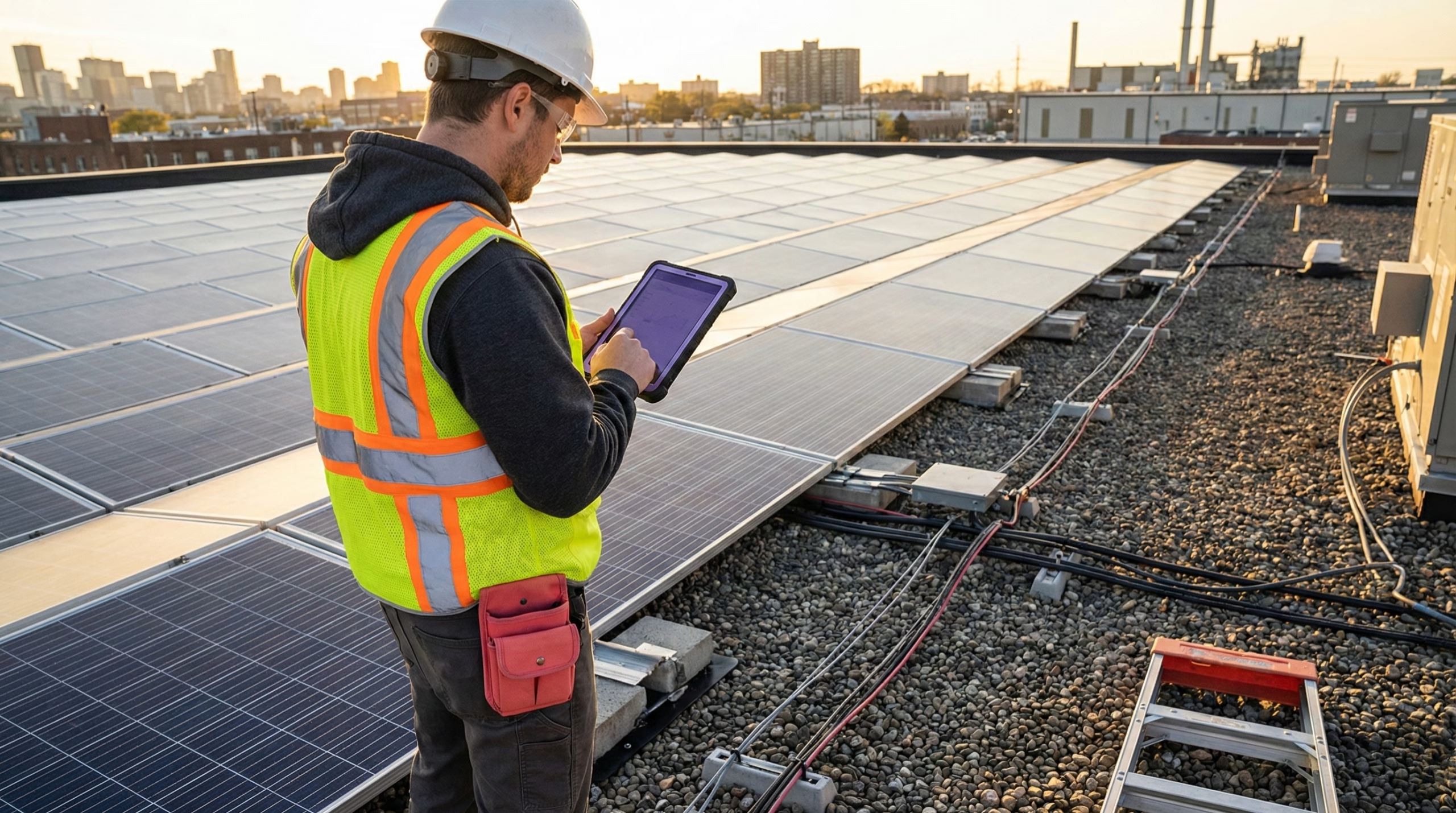
Commercial Rooftop Systems
02

Commercial Rooftop Systems

Businesses maximize their solar investment with monitoring that ensures peak performance.

Complete Solar Energy Solutions

Monitor, optimize, and manage your solar installations with advanced IoT technology.

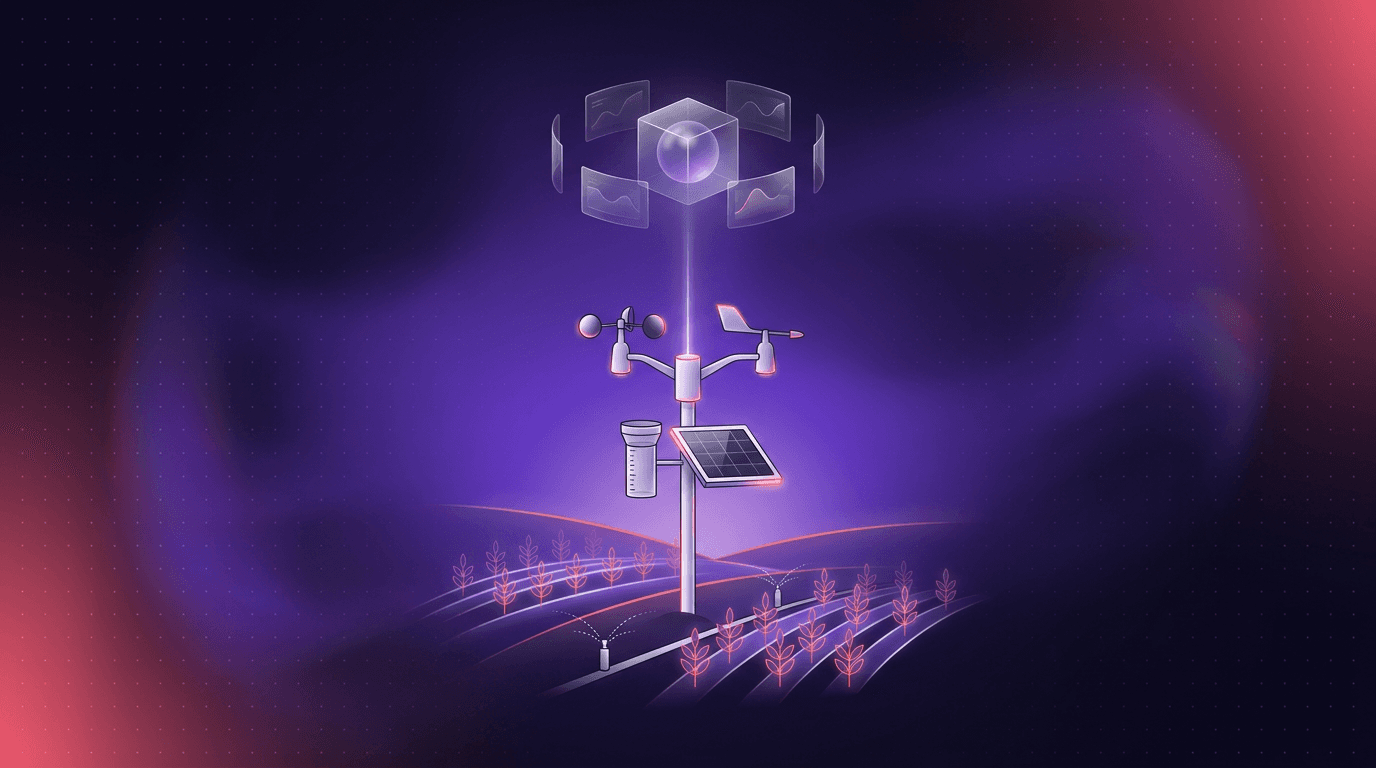
Performance Monitoring

Real-time tracking of energy production and system performance.

Fault Detection

Alerts on system anomalies and faults.

Weather Integration

Weather data alongside production to put performance in context.

Yield Analysis

Detailed performance ratio and degradation analysis.

Grid Management

Monitor grid connection and power quality.

Condition-Based Maintenance

Schedule maintenance based on actual equipment condition.

Regulations and certifications

What is required by law, what lenders and insurers ask for, and what is optional, with how continuous monitoring helps document it. The platform supports compliance; it does not certify it.

Required by law

Rules in force for the buildings and operators in their scope. Not meeting them can bring inspections, fines or loss of a licence.

  • Required by lawSpainLaw

    Royal Decree 244/2019 on self-consumption

    Articles 4, 10, 14 and 20

    What it requires: A bidirectional fiscal meter at the grid boundary, plus a net generation meter in collective schemes and other listed cases, and registration in the regional register. Surplus compensation is only for renewable installations up to 100 kW: surplus is valued hour by hour and, in each billing period of one month at most, it can never be worth more than the energy bought from the grid.

    Applies: Before the installation is activated.

    If it is not met: Surplus worth more than the energy bought is not paid. Breaches are sanctioned under title X of the Electricity Sector Act (Ley 24/2013).

    How monitoring helps: Hourly self-consumption, surplus and grid import from our own sub-metering show how much surplus goes unpaid each month and whether shifting loads or adding a battery is worth it. The bill always uses the distributor's meter; where access is allowed, the gateway reads it over Modbus to compare.

    Official source
  • Required by lawSpainLaw

    Low Voltage Electrotechnical Regulation (Royal Decree 842/2002), ITC-BT-40 and ITC-BT-05

    Article 20; ITC-BT-04, ITC-BT-05 (4.1 and 4.2) and ITC-BT-40

    What it requires: ITC-BT-40 applies to every grid-connected self-consumption installation, whatever its size: anti-islanding protection and, without surplus, an anti-export system. Generators above 10 kW need a design project. Industrial installations above 100 kW that need a project, and public premises, are inspected by an accredited control body before going into service and every five years. The owner must keep the installation in good working order.

    Applies: Initial inspection before going into service; then every five years.

    If it is not met: A failed inspection stops a new installation from being energised; an installation in service gets up to six months to fix defects. Infringements fall under the Industry Act (Ley 21/1992).

    How monitoring helps: A log of alarms, events and trends between inspections that backs up the maintenance record. The control body and the authorised installer are still the ones who inspect and maintain.

    Official source
  • Required by lawSpainLaw

    Royal Decree 413/2014, article 7: real-time telemetry for larger plants

    Article 7 (a) to (c)

    What it requires: Plants that sell their energy need metering before exporting and registration. Above 1 MW they send real-time telemetry to the system operator, and above 5 MW, alone or grouped, they must be attached to a generation control centre (0.5 MW in non-peninsular systems).

    Applies: Before the plant starts exporting.

    How monitoring helps: The platform is not a control centre and does not send telemetry to the system operator. It works next to it as the operation, maintenance and asset layer.

    Official source
  • Required by lawEuropean UnionLaw

    Directive (EU) 2024/1275 (EPBD), article 10: solar energy in buildings

    Article 10(3)

    What it requires: Where technically suitable and viable, solar installations on new public and non-residential buildings above 250 m², then on existing public buildings by size, on non-residential buildings above 500 m² undergoing major renovation, and on new homes and covered car parks.

    Applies: New public and non-residential buildings by 31 December 2026; the rest in steps up to 2030. Spain had not transposed it in November 2026: the measure is in the draft of the new building code.

    If it is not met: Penalties set by each Member State in its transposition.

    How monitoring helps: Production and self-consumption recorded per building, ready for whatever reporting the national rule asks for once it is adopted.

    Official source

Required by lenders, insurers and investors

Not a legal duty for the owner, but it decides financing terms, insurance or the value of the asset.

  • Required by lenders and insurersEuropean UnionLaw

    Delegated Regulation (EU) 2021/2139 (EU Taxonomy), activities 4.1 and 7.6

    Annex I, 4.1 Electricity generation using solar PV and 7.6 Installation of renewable energy technologies

    What it requires: Solar PV generation qualifies as long as it does no significant harm: a climate adaptation check and durable, recyclable equipment. Installing, maintaining and repairing PV on buildings counts as an enabling activity.

    Applies: Applies whenever a bank, fund or bond reports taxonomy alignment.

    If it is not met: No penalty: an asset that does not meet the criteria cannot be counted as green for green loans, bonds or funds.

    How monitoring helps: Generation records and the operation and maintenance history are the evidence the lender or investor attaches to its alignment report.

    Official source
  • Required by lenders and insurersInternationalGuideline

    ICMA Harmonised Framework for Impact Reporting (green bonds and loans)

    Core indicators for renewable energy projects (June 2026 update)

    What it requires: Yearly renewable generation in MWh, greenhouse gas emissions avoided in tonnes of CO2 equivalent, capacity added in MW and gross emissions.

    Applies: Yearly, for as long as the financing is outstanding.

    If it is not met: Voluntary for the borrower, but usually written into the loan or bond documents.

    How monitoring helps: The MWh produced each year are measured. Avoided CO2 is a calculation from them with an emission factor that the borrower has to document.

    Official source
  • Required by lenders and insurersEuropean UnionGuideline

    Insurer guidance on rooftop PV (If P&C, Allianz Commercial)

    If P&C hazard sheet on rooftop photovoltaic systems; Allianz Commercial risk article (2023)

    What it requires: All alarms, technical faults included, sent to a permanently staffed location or a remote monitoring centre with a response plan. Thermography after commissioning and then at least every two years (If) or every year (Allianz), insulation resistance tests every three years and yearly maintenance.

    If it is not met: They are recommendations, not policy conditions in these documents. They matter because a fire on the panels or cabling is outside the building's own fire detection.

    How monitoring helps: Technical alarms such as inverter faults, insulation faults and abnormal temperature go to the person on call or to a monitoring centre, with a record of when each one was acknowledged. We do not do thermography; the platform schedules it and keeps the reports.

    Official source

Technical references

Standards and guides that become binding where a regulation or the authority adopts them, and the yardstick an inspector or auditor uses.

  • Technical referenceInternationalStandard

    IEC 61724-1:2021

    PV system performance monitoring, classes A and B

    What it requires: Defines what to measure and how accurately to calculate performance ratio and losses. The 2021 edition keeps only classes A and B, and larger systems are expected to have more measuring points and more accurate sensors.

    How monitoring helps: The platform does not make a system Class A: that depends on calibrated sensors, sampling and their maintenance. When an investor asks for Class A, the gateway brings the data from that station into the platform alongside the rest.

    Official source
  • Technical referenceInternationalStandard

    IEC 62446-1 and IEC 62446-2

    Commissioning documentation and tests (part 1); maintenance (part 2)

    What it requires: The documents and test results handed over at commissioning, and preventive, corrective and performance maintenance, fire prevention, cleaning and vegetation control included.

    How monitoring helps: Keeps the commissioning records and the maintenance history with each installation, next to its production data.

    Official source

Solar monitoring: what the rules, the bank and the insurer ask of a self-consumption installation

A photovoltaic installation is sold on its production and financed on its expected yield. After commissioning, three parties look at it: the administration, which sets metering, inspections and how surplus is paid; the lender or investor, who needs production data to report a green loan or bond; and the insurer, worried about fire on a roof that the building's own detection does not cover. This guide explains what each one asks for and which measurements answer them.

What the rules require

In Spain, Royal Decree 244/2019 requires a bidirectional fiscal meter at the grid boundary and registration of the installation. Surplus compensation is only for renewable installations up to 100 kW, and in each monthly billing period surplus can never be worth more than the energy bought from the grid: what goes beyond that is not paid. The low voltage regulation (ITC-BT-40) applies to every grid-connected installation; generators above 10 kW need a project, and industrial installations above 100 kW that need a project are inspected by an accredited body before going into service and every five years.

Plants that sell their energy above 1 MW send real-time telemetry to the system operator, and above 5 MW they must be attached to a generation control centre. In the EU, the buildings directive requires solar installations on new public and non-residential buildings above 250 m² by the end of 2026 where technically viable; Spain had not transposed it in November 2026.

What the bank, the investor and the insurer ask

Solar PV generation qualifies under the EU Taxonomy, which is what lets a bank count the loan as green or a fund count the asset as sustainable, provided it does no significant harm. Green bonds and loans then report every year on core indicators that ICMA sets out: renewable MWh generated, tonnes of CO2 avoided and capacity added. The MWh are measured; the CO2 is calculated from them with an emission factor the borrower has to document.

Insurers look at fire. The If P&C hazard sheet on rooftop PV recommends sending every alarm, technical faults included, to a permanently staffed location or a monitoring centre, thermography after commissioning and at least every two years, and insulation tests every three years; Allianz Commercial recommends thermography at least yearly and notes that a fire in the panels is outside the building's own detection. A UK government study by BRE found that poor installation was the most likely cause where one could be identified, with DC isolators and connectors the main components involved.

Who asksWhatData that answers it
Administration (RD 244/2019)Fiscal metering; surplus capped at the energy boughtHourly import, export and self-consumption
Control body (REBT)Inspection every five years in larger installationsAlarm and maintenance history between inspections
Bank or investor (Taxonomy, ICMA)Yearly MWh, CO2 avoided, capacityMeasured generation per installation
Insurer (If, Allianz)Alarms to a staffed point, thermography, insulation testsInverter and insulation faults with acknowledgement log

What to measure

  • Inverters and the fiscal meter: Production, status and fault codes per inverter, and the fiscal meter where access is allowed, read over Modbus by the edge gateway.
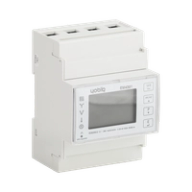
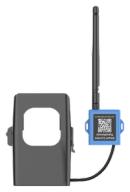
  • Consumption and self-consumption: A three-phase meter such as the YOBIIQ EM4301 or clamps such as the Milesight CT105 on the main loads show the hourly balance and how much surplus goes unpaid each month.
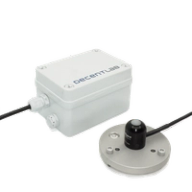
  • Irradiance: A pyranometer such as the Decentlab DL-PYR lets you compare what the installation produces with what the sun allowed, which is how soiling, shading or a failing string show up.
  • Temperature where the risk is: Inverter room, combiner boxes and battery room, with alarms to the person on call.

Limits to keep in mind: our meters and clamps are sub-metering, and the bill always uses the distributor's meter. The platform does not make a system IEC 61724-1 Class A, which depends on calibrated sensors and their maintenance; if an investor asks for it, the gateway brings that station's data in alongside the rest. And it is not a control centre for the system operator.

Performance is lost slowly

In an IEA PVPS study of 19 systems, six lost between 1% and 4% of their performance a year. A loss of that size does not show in a monthly bill, but it does when production is compared every day with irradiance and with the previous year. That comparison is also what the investor and the lender read in the yearly report.

What to ask a provider

  • Does it read my inverters, whatever the brand?: A portfolio usually mixes brands; one view for all of them is the point.
  • Can it produce the yearly report for the lender?: MWh per installation and per year, exportable, with the emission factor documented.
  • Who receives the technical alarms at night?: Insurers ask for a staffed point or a monitoring centre, and a record of who acknowledged each alarm.
  • Does it pretend to be fiscal metering?: It should not. Billing and the system operator's telemetry have their own certified equipment.

Cloud Studio IoT runs in AWS (Frankfurt for Europe) or on your own servers, and under your brand if you are an installer or an O&M company. Tell us about your installations.

Sources

  1. Royal Decree 244/2019 on self-consumption (BOE)
  2. Low Voltage Electrotechnical Regulation (BOE)
  3. Royal Decree 413/2014 (BOE)
  4. Delegated Regulation (EU) 2021/2139 (EU Taxonomy)
  5. ICMA, impact reporting metrics for renewable energy (June 2026)
  6. If P&C, photovoltaic systems on roofs
  7. Allianz Commercial, roof-mounted PV systems
  8. BRE for the UK government, fires and solar PV systems
  9. IEA PVPS, performance loss rate of PV systems
Solar Energy IoT: Frequently Asked Questions

Everything you need to know about implementing IoT in solar energy management

Get Started

Optimize your solar investment

Maximize energy production and ROI with Cloud Studio IoT.