Temperature records for vaccine fridges, HACCP and walk-in coolers
Pharmacies, clinics, restaurants and food plants have to prove that their fridges and cold rooms stayed in range, and they lose stock when a door is left open at night. Wireless sensors record the temperature continuously, alert the moment it drifts and keep the log ready for an inspection.
What gets monitored
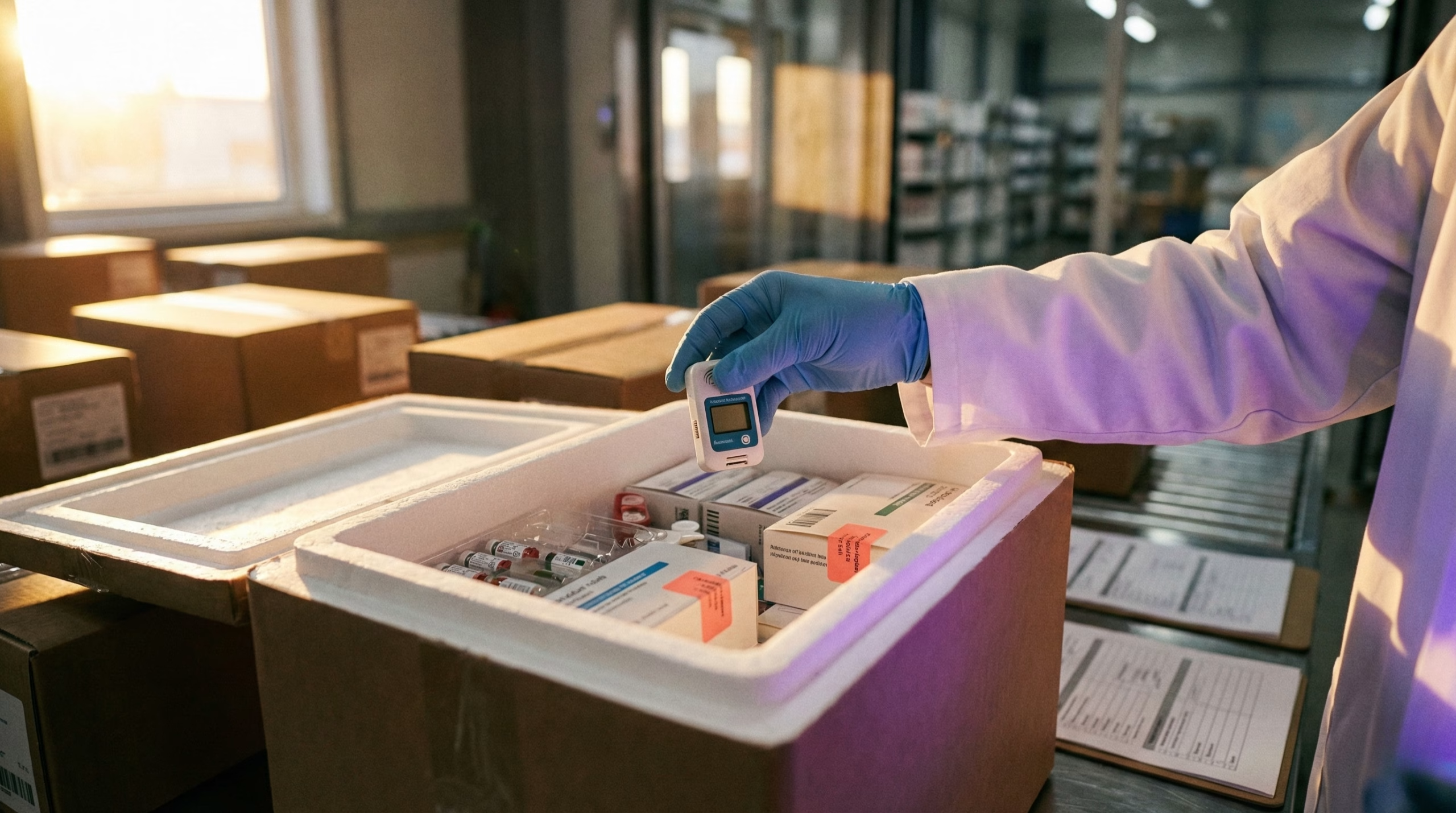
- Vaccine and medicine fridges: continuous temperature with min/max per day and an alarm on any excursion; check the specific logger requirements of your vaccine programme.
- HACCP records: the platform replaces the paper sheet: every reading is stored with its time, and reports per fridge or per day are generated automatically.
- Restaurant walk-in coolers and freezers: temperature plus door contact, so you know whether the problem is the compressor or a door left open.
Alarms that reach someone at night
Alarms go out by email, SMS, WhatsApp, voice call and push. Several sites (shops, pharmacies, kitchens) appear on one map, each with its own users.
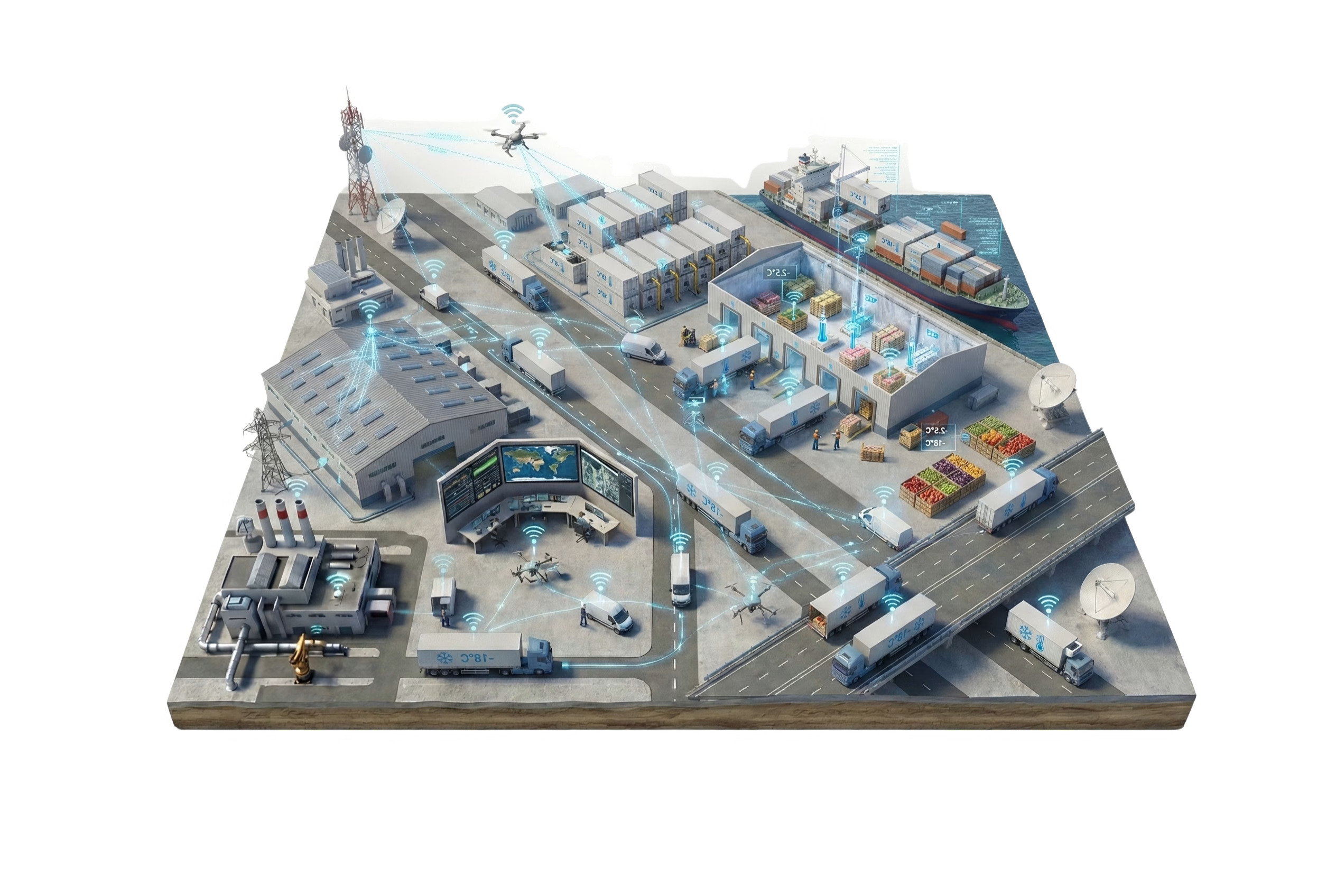
Reference architecture
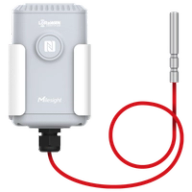
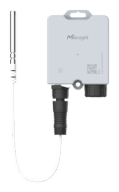
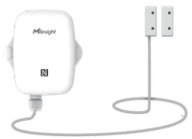
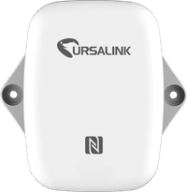
- Sensors inside the equipment: a probe sensor such as the Milesight EM500-PT100 for freezers and cold rooms, a Milesight TS201 for fridges, an EM300-TH where humidity also matters, and an EM300-MCS door contact to tell a failing compressor from a door left open.
- LoRaWAN gateway: one gateway usually covers a shop, a pharmacy or a kitchen, through the walls of the cold room. It connects to the network server you already use (The Things Stack, ChirpStack, LORIOT and others).
- Platform: stores every reading with its time, applies the limits of each fridge or room, sends the alarms and generates the reports. Each site has its own users and permissions, and user actions stay in an audit trail.
What to configure for each piece of equipment
Limits come from your HACCP plan, the product's labelling or your vaccination programme, not from the platform. What you set for each fridge or room:
| Setting | Why it matters |
|---|---|
| Minimum and maximum limit | A vaccine fridge fails by freezing as well as by warming |
| Door contact | Tells a door left open from a compressor that has stopped |
| Recipients of each alarm | The shop manager, the refrigeration technician or both, by SMS, call or WhatsApp |
| Scheduled report | A daily or weekly record per room, ready for an inspection |
What to ask a supplier
- Calibration: accuracy and calibration depend on the sensor, not on the software. Ask which sensor is proposed and whether it comes with a calibration certificate when your rules require one.
- Records you can hand over: history per piece of equipment, exportable, with every alarm and its time.
- What happens if the connection drops: ask how gaps in the data show up in the record, so a gap is not mistaken for a stable temperature.
- Validation: if you are under pharmaceutical rules that require validated computerised systems, ask what validation the supplier provides. We do not offer a 21 CFR Part 11 validation package.
The temperature limits most often configured
These are the limits written in the rules, which become the alarm thresholds. Your HACCP plan or the product label can set stricter ones.
| Product | Limit | Source |
|---|---|---|
| Vaccines and refrigerated medicines | 2 to 8 °C | CDC Vaccine Storage and Handling Toolkit; Comunidad de Madrid vaccine management guide |
| Quick-frozen food | -18 °C or colder | Spain RD 1109/1991, art. 5 |
| Minced meat | 2 °C or less | Regulation (EC) 853/2004, Annex III; Spain RD 1021/2022 |
| Poultry and meat preparations | 4 °C or less | Regulation (EC) 853/2004, Annex III; Spain RD 1021/2022 |
| Fresh fish | 0 to 4 °C in Spanish retail | Spain RD 1021/2022, art. 4.1 |
| Food held cold in US food service | 41 °F (5 °C) or less | FDA Food Code, 3-501.16, where the state has adopted it |
Sources
- EN 12830:2018, temperature recorders for temperature-sensitive goods
- EN 13485:2024, thermometers for temperature-sensitive goods
- EN 13486:2024, periodic verification of temperature recorders and thermometers
- Comunidad de Madrid (2026). Technical guide for vaccine management in vaccination centres (Spanish)
- Spain RD 1021/2022, hygiene in retail food establishments
- Regulation (EC) 853/2004, specific hygiene rules for food of animal origin
- FDA Food Code 2026