

Flood warning for underpasses and streets: how it works
Most councils know which underpasses and streets flood: they are the same ones every storm. What fails is the warning. Someone has to see the water, call it in and get a patrol there. A level sensor at each of those points sends the alarm on its own, at any hour, so the road can be closed before a car drives in.
How an underpass flood warning system works
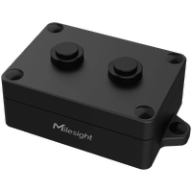
- Measure: a sensor above the lowest point measures the water level and sends it every few minutes.
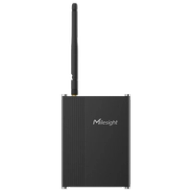
- Transmit: the reading goes over LoRaWAN to a 4G gateway, or directly over NB-IoT, and reaches the platform through the network server.
- Alert: when the level crosses a threshold, the platform sends the alarm to the people on duty and marks the point in red on the map.
- Act: the patrol closes the road, and if there is a relay controller, a warning sign can light up on its own.
Where to place the sensors
In an underpass, above the lowest point of the road, usually over the drain, fixed to the ceiling or to the wall high enough that traffic and water cannot hit it. In a low street, above the storm drain that backs up first. At a stream crossing or culvert, on the bridge or a post above the channel, so you see the water rising before it reaches the road.
A rain gauge on a municipal building adds context: heavy rain in a short time usually comes before the underpasses fill.
LoRaWAN or NB-IoT?
When several points are close together, LoRaWAN is the usual choice: battery sensors talk to a 4G gateway installed on a municipal building, and one gateway can cover several underpasses and streets. Data enters the platform through an external LoRaWAN network server such as The Things Stack, LORIOT, ThingPark X or ChirpStack, and you don't need public LoRaWAN coverage.
For an isolated point, such as a culvert on a road far from town, an NB-IoT sensor with its own SIM avoids installing a gateway. Both kinds can live on the same map. Sensors that already speak MQTT or HTTP connect directly.
Alarm escalation
- Warning: water appears at the lowest point: push and email to maintenance, so they check the drains.
- Alarm: the level reaches the closing threshold: SMS, WhatsApp and push to the municipal police on duty.
- Critical: the water keeps rising: a voice call to the person in charge, the hardest channel to miss.
- Sensor silent: loss of communication or low battery also raises an alarm, so a point never goes blind without anyone knowing.
Closing the road and warning signs
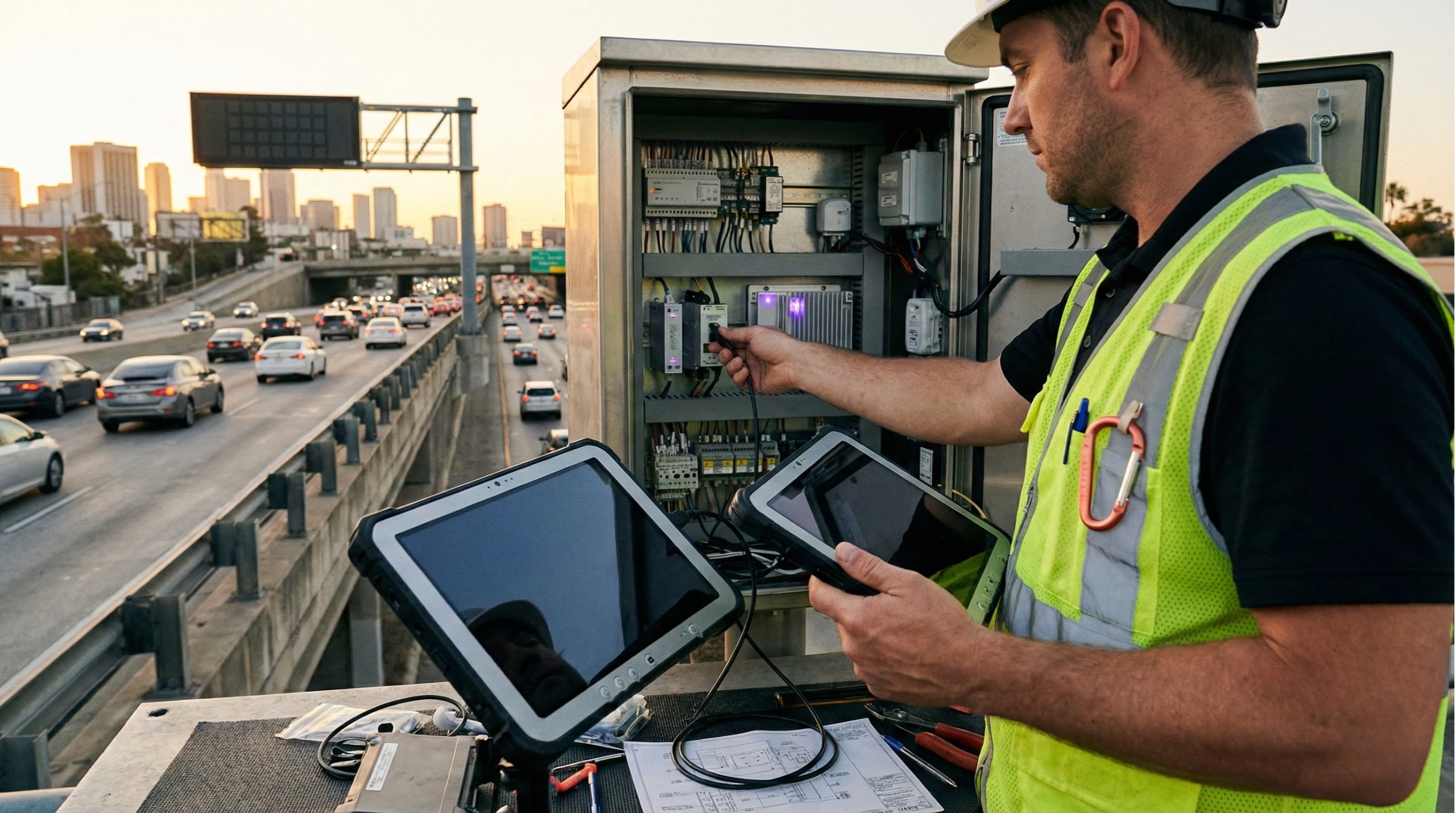
The platform tells you when and where to close. Closing the road is still a decision for the police or the road operator. Where there is a warning sign or barrier with a contact input, a relay controller at the point can trigger it automatically when the level crosses the threshold, and you can also trigger it from the app. We provide the sensor, the controller and the platform; the sign or barrier is the one you already have or choose.
Start with a pilot at a few points
Pick the two or three underpasses or streets that flood every year, install a sensor at each one and a gateway that covers them, and set the thresholds with the police. After a few storms you have the level history to adjust the thresholds and decide where to add more points. A small pilot usually fits a minor contract. The same platform and gateway can also carry other municipal sensors, such as telemetry for tanks and wells.