

Skip to main content

Air quality monitoring for schools: CO2 and ventilation in every classroom

Measure CO2, temperature and humidity in classrooms, get an alert when the air needs renewing and give each school a public dashboard. The same platform runs 240 solar-powered 4G sensors in 120 schools across the Canary Islands.

Air quality monitoring for schools:
240

Solar-powered 4G air sensors in Canary Islands schools

120

Schools across the 7 islands, each with a public dashboard

18

Working days to install, versus 79 planned

99.9%

Platform availability, excluding scheduled maintenance

01
150,000+

Devices connected to the platform

02
5

Alert channels: email, SMS, WhatsApp, voice call and push

03
120

Public school dashboards in the Canary Islands

Canary Islands, Spain
🇪🇸 Canary Islands, Spain

Success Story

120

Schools Connected

7

Islands Covered

18 days

Full Deployment

Education departments and school districts
01

Education departments and school districts

Every school on one platform, with alerts for maintenance teams and a public dashboard for each school.

Individual schools and private schools
02

Individual schools and private schools

Know which classrooms need more ventilation and show families the readings with a link.

Facility managers and integrators
03

Facility managers and integrators

Companies that maintain school buildings add air quality to the rest of the installations they already monitor.

What the system does in each school

Sensors in the classrooms, one platform for the whole network of schools, and a view for each audience: the school, the administration and families.

CO2, temperature and humidity

CO2 is used as an indicator of how well a room is ventilated. Temperature and humidity show whether opening the windows is making the classroom uncomfortable.

Ventilation alerts

Thresholds are configurable per school or per room. Alerts go out by email, SMS, WhatsApp, voice call or push.

Public dashboard per school

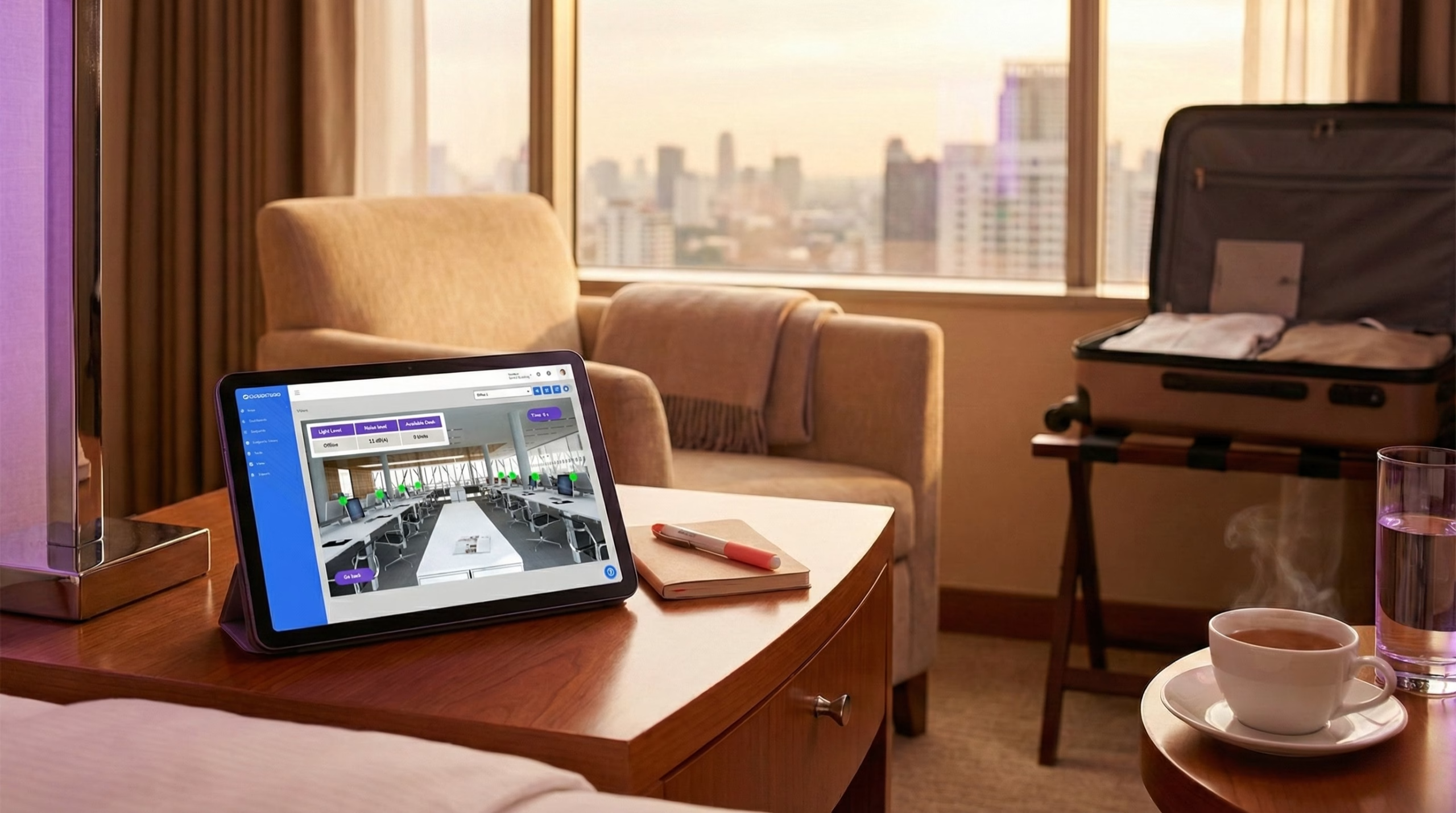
Each school can have a dashboard with a public link, so anyone with the link sees the readings without an account.

Solar-powered 4G option

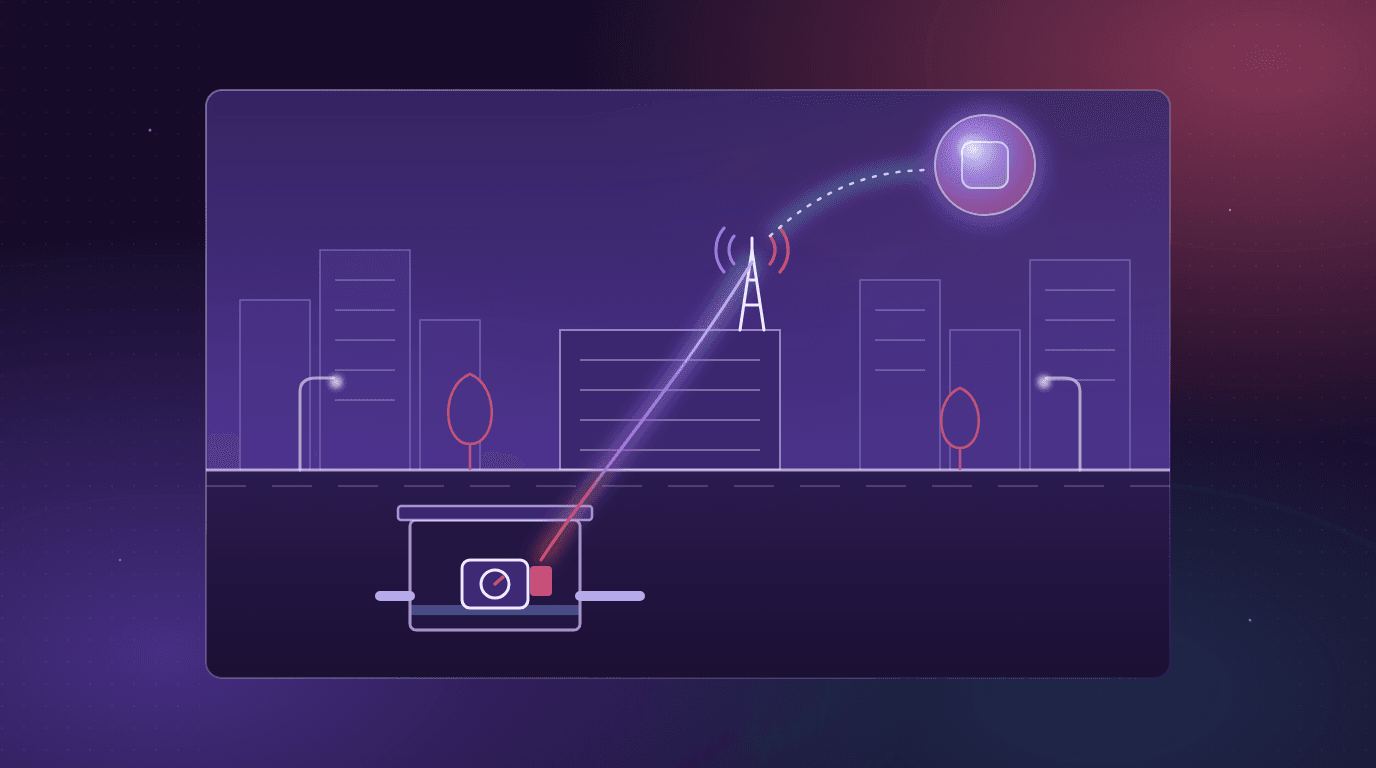
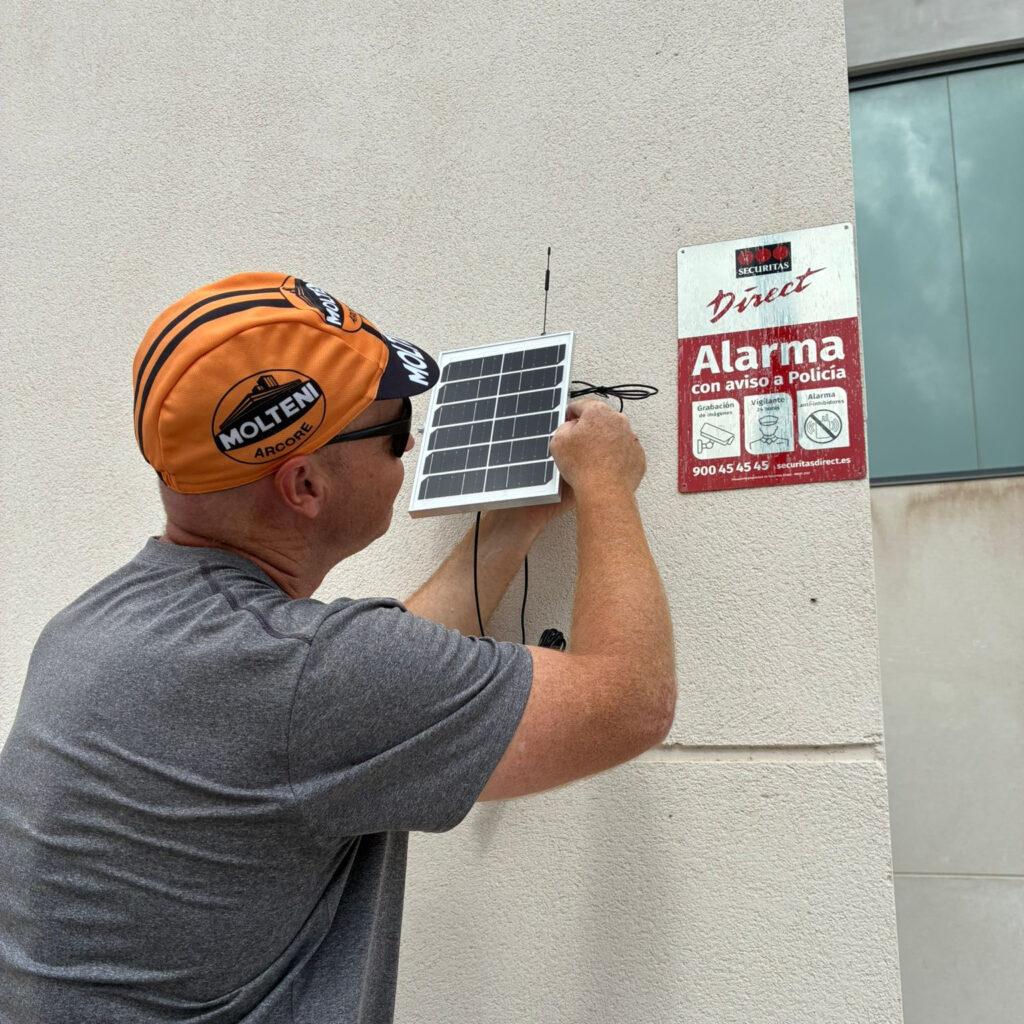
Sensors with their own 4G connection and solar charging don't use the school's WiFi network. This is what the Canary Islands schools use.

History and comparisons

Every reading is stored, so you can review a classroom over a day, a week or a term and compare schools. Data is also available through the documented API.

Mobile app

Readings and alerts on iOS and Android for the people who manage the schools.

CO2 and ventilation monitoring in schools: a practical guide

A classroom full of students fills up with exhaled CO2 within a lesson if the air isn't renewed. A CO2 sensor turns that into a number you can act on: it tells you when to open the windows and which rooms ventilate worst. This guide covers what to measure, how many sensors you need, how they connect and what a real deployment across 120 schools looked like.

What to measure in a classroom

  • CO2: the usual indicator of ventilation: the higher it climbs, the less the air in the room is being renewed.
  • Temperature: to see whether ventilating is making the room too cold or too hot and to balance the two.
  • Humidity: completes the picture of comfort in the room.

Alert thresholds are configurable. Each school or administration sets its own according to the guidelines it follows.

How many sensors does a school need?

It depends on what you want to know. To control ventilation room by room, you need one sensor in each classroom you want to follow. To get a picture of the school and decide where to act, a few sensors in representative rooms are enough. In the Canary Islands, 240 sensors were installed in 120 schools: two per school.

4G, LoRaWAN or WiFi?

  • 4G: each sensor has its own mobile connection and doesn't depend on the school's network or IT team. With solar charging, it is the option used in the Canary Islands.
  • LoRaWAN: sensors send data to a gateway. The platform receives it through external network servers such as The Things Stack, LORIOT, ThingPark X or ChirpStack.
  • WiFi: WiFi devices send data directly over MQTT or HTTP, if the school network allows it.

The choice of sensor and connectivity is made for each project. See also: LoRaWAN platform.

Real case: 120 schools in the Canary Islands

Gesplan, for the Government of the Canary Islands, deployed 240 solar-powered 4G sensors (Makerfabs 4G LTE Air Monitor) in 120 schools across the 7 islands. The installation took 18 working days, against the 79 planned. Each school has its own dashboard with a public link: 120 dashboards in total.

Who installs it

The installation can be done by the company that already maintains the schools, an integrator or one of our 35+ partners. We configure the platform, the alerts and the dashboards. Cloud Studio IoT runs on AWS (Frankfurt for Europe, United States for the rest of the world) and can also be installed on-premise.

Frequently asked questions

Get Started

Want to measure CO2 in your schools?

Tell us how many schools and classrooms you have and we'll send you a closed quote.