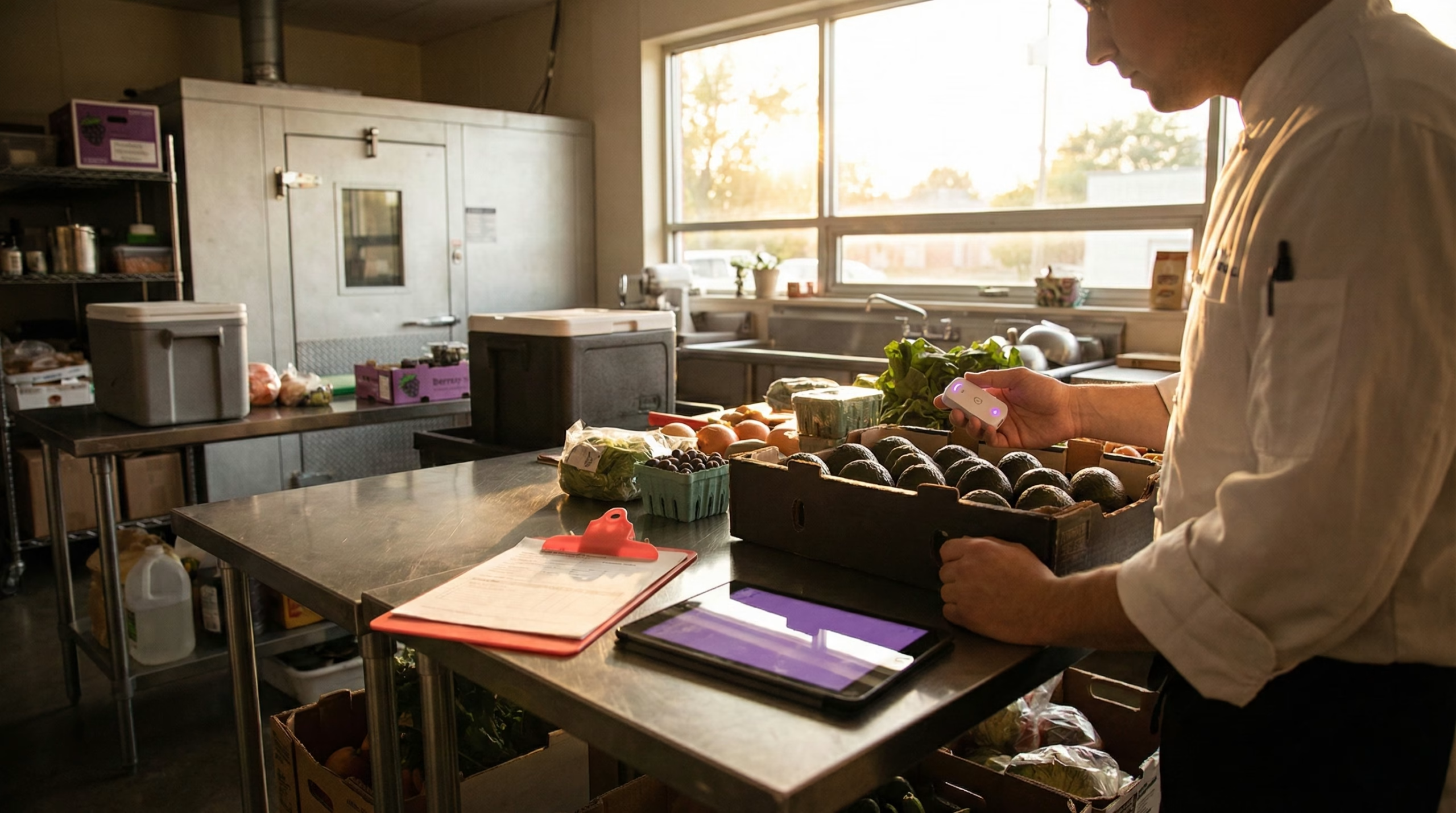

Supermarket refrigeration cyberattacks: why an independent temperature alarm matters
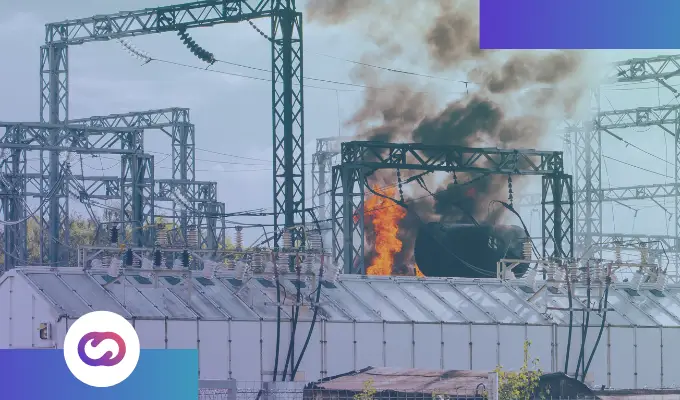
The attacks of October and November 2026 did not need to break into the store's IT network: according to press reports, they reached refrigeration controllers exposed to the internet with outdated firmware and changed their settings overnight. Stock was lost because nobody found out until morning.
What happened
On the night of 11 to 12 October 2026, refrigeration systems in hundreds of supermarkets in France were driven to around 50 °C, with food losses and some fires, as reported by CNN, Al Jazeera and CBS News. Similar overnight temperature spikes followed in early November in several other European countries, and US agencies issued a joint alert on intrusions into refrigeration and cold storage controllers. The advice that comes with these alerts is to take controllers off the internet, update their firmware and segment the network.
Why a second, independent layer
Securing the controllers is the first step, but if a controller is compromised or fails, its own alarms may stay silent. Independent sensors measure the real temperature inside the cooler, travel over a different network and alert through different channels. They do not stop an attack on the controller; they make sure someone knows within minutes instead of at opening time, which is what decides whether the stock is saved.
How it is built
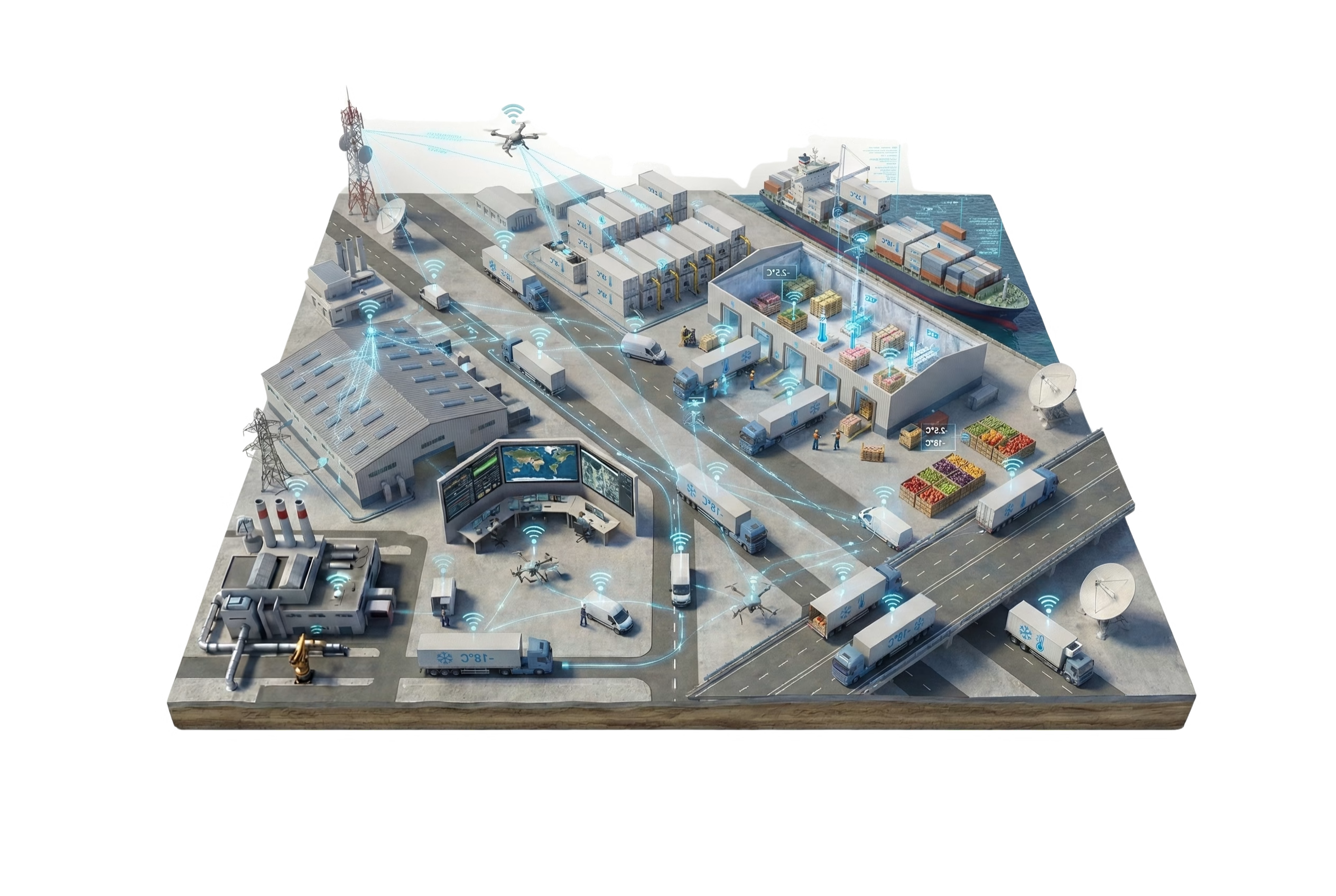
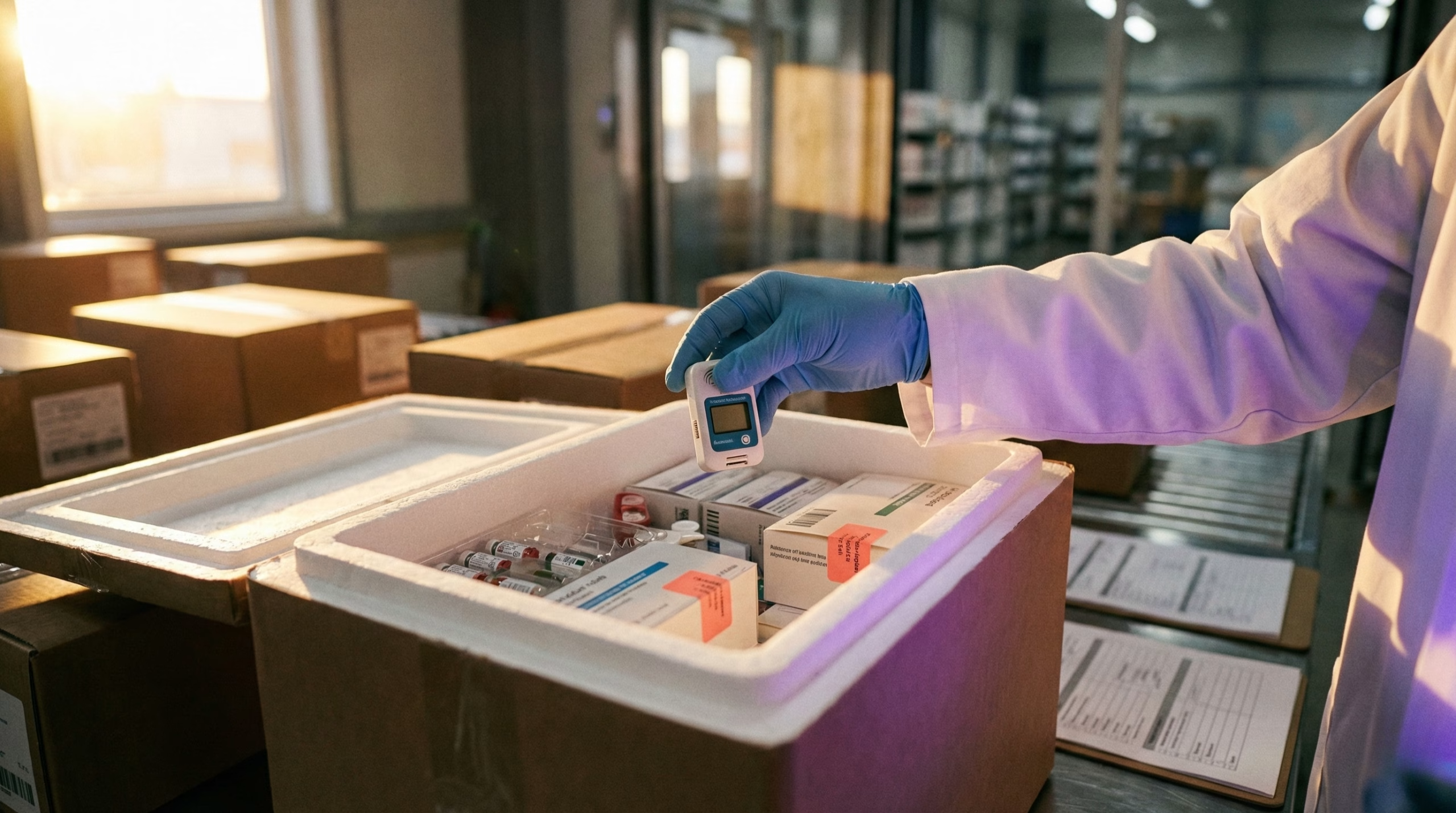
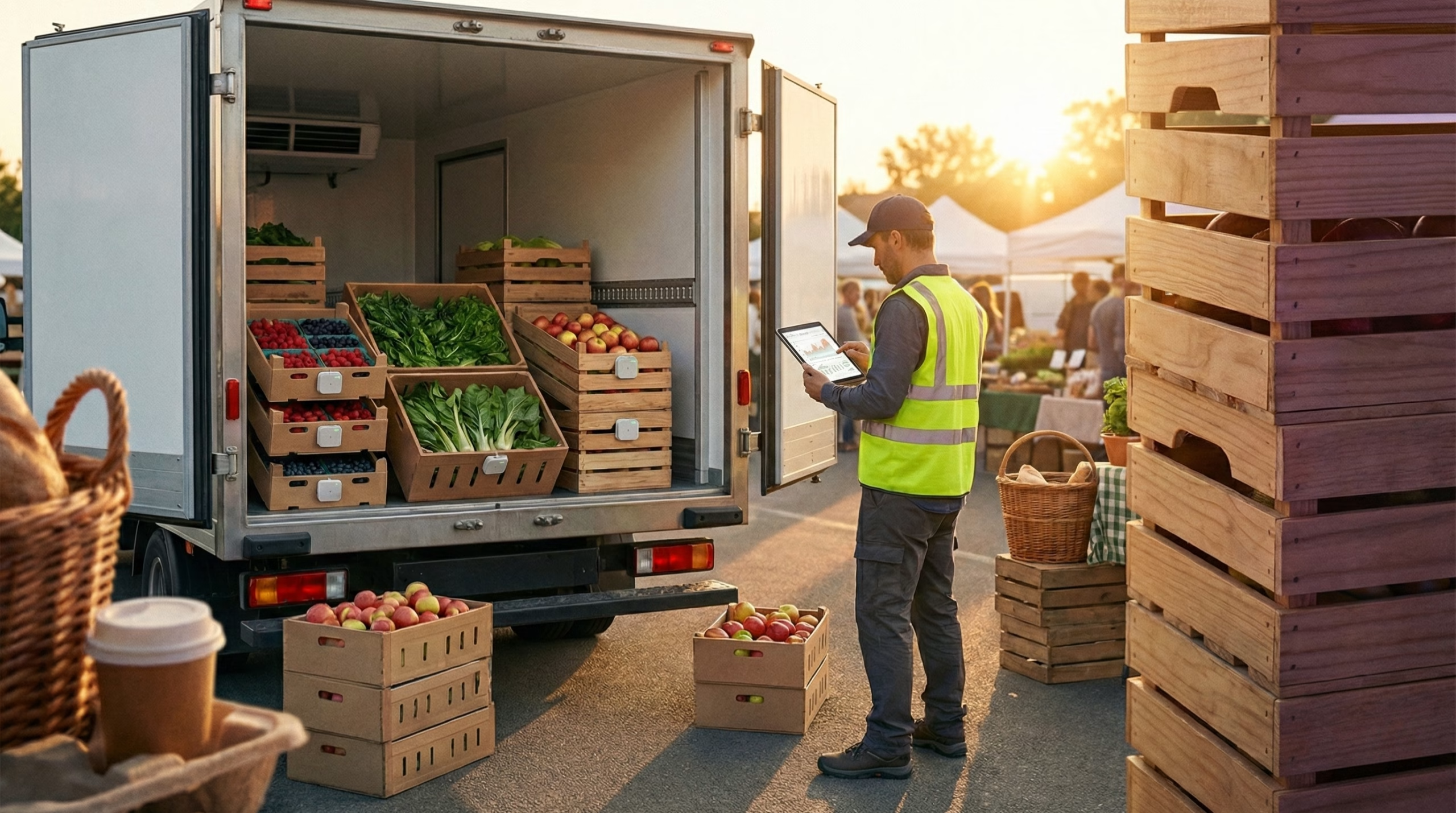
- Sensors: battery LoRaWAN temperature probes in each cabinet, cold room and freezer, with no connection to the refrigeration controller.
- Network: a 4G gateway per store, outside the store and refrigeration networks; it does not need to be reachable from the internet.
- Platform: in our cloud (AWS Frankfurt or US) or on-premise on the chain's own servers, for companies that want to keep it inside.
- Alarms: per cooler and per store, by voice call, SMS, WhatsApp, email and push, plus an alarm when a sensor or gateway goes silent.
How to start
Start with a few stores: sensors are fixed inside the coolers without touching the refrigeration installation, and the gateway only needs power. Once the alarms and on-call contacts are tested, the rollout is the same kit repeated store by store. The same platform also keeps the temperature records for food safety, as on our cold chain monitoring page.