

Water leak detection in buildings: what to install and where
Most water damage starts small: a fitting under a boiler, a riser in a shaft, a tank overflowing in a basement. The cost comes from the hours nobody sees it. A detection system turns those hours into minutes.
Where to put the sensors
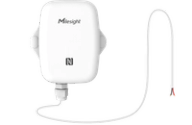
- Plant rooms: boilers, water heaters, pumps, pressure groups and tanks. One sensor at the lowest point of the floor.
- Risers and shafts: a sensing cable at the base, where water from a broken pipe collects.
- Basements, garages and lift pits: the places that flood first and that nobody visits.
- Under equipment: AC units, washing machines, dishwashers and kitchens in hotels, offices and residences.
- Main meter: a pulse reader for the leaks that never reach a sensor: inside walls, under slabs or in buried pipes.
Consumer devices or a building system?
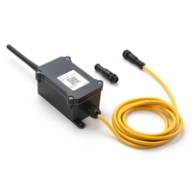
Home brands such as Grohe Sense, Flo by Moen, Phyn, Tapo or Ajax WaterStop work well in a single home on its Wi-Fi. Building specialists, such as Aqualeak, FugaTec, Polygon or WINT, sell systems for larger properties. Our approach is battery LoRaWAN sensors that reach basements where Wi-Fi does not, and one platform for every building, with alerts that can call the person on duty.
| Home Wi-Fi devices | LoRaWAN sensors + platform | |
|---|---|---|
| Coverage | Where the home Wi-Fi reaches | Basements, shafts and plant rooms |
| Many buildings | One app per home | Every building on one platform |
| Alerts | Push to the owner's phone | Email, SMS, WhatsApp, call or push to whoever is on duty |
Closing the water automatically
Detection is the first step. If the installation has a motorized valve that speaks LoRaWAN, a rule on the platform can close it when a sensor detects water, and it is opened again from the web or the app once the cause is fixed. Where there is no valve, the alert goes to whoever can close it by hand.
Alerts that reach someone at night
Each alert can go by email, SMS, WhatsApp, voice call or push notification in the iOS and Android app. Choose who is told for each building, and use the voice call for water on the floor, which cannot wait until morning.
The platform runs on AWS (Frankfurt for Europe, United States for the rest of the world) or on your own servers, and maintenance companies can offer it under their own brand with the white-label option.