Mining monitoring: tailings, water and the records that regulators and lenders ask for
In mining, the facility that worries regulators, lenders and neighbours most is not the pit but the tailings dam. European, Spanish, Chilean and Mexican rules all ask for instrumented monitoring of pore pressure, water levels and displacement, notification within hours when something changes and decades of control after closure. The lenders that finance projects ask for the same through the Equator Principles, and ICMM companies through the global tailings standard. This guide explains what each one asks for and where wireless sensors fit, above all on the surface.
What the rules require for tailings
Directive 2006/21/EC and, in Spain, Royal Decree 975/2009 require a monitoring and inspection plan, a logbook of every check and event, notification to the authority within 48 hours of anything that may affect stability, and results reported at least yearly. After closure, stability and water are controlled with measuring devices always ready to use, for at least 30 years in category A facilities. The penalty regime of the Mining Act can end in the lapse of the concession.
In Latin America the pattern repeats. Chile's Supreme Decree 248 asks for instrumentation of pore pressure, water table, displacement and seepage and a quarterly report to Sernageomin. Mexico's NOM-141-SEMARNAT-2003 asks for lines of piezometers, movement markers recorded periodically and a post-operation logbook.
| Who asks | What | Data that answers it |
|---|---|---|
| EU and Spain (Directive 2006/21, RD 975/2009) | Notice in 48 h, logbook, 30 years after closure | Piezometers, level and displacement with alarms |
| Chile (DS 248) | Instrumentation and quarterly report | Pore pressure, water table and displacement series |
| ICMM members (GISTM) | Indicators and response plans by threshold | Alarm tiers matched to the plan levels |
| Lenders (Equator Principles, IFC) | Monitoring verifiable by an independent consultant | Auditable, exportable data |
What lenders and the market ask
Banks that have adopted the Equator Principles apply them to project finance of 10 million dollars or more. In countries without strong environmental law, the project must meet the IFC Performance Standards: monitoring of its management programme with external verification where impacts are significant, an independent consultant following it for the life of the loan, and external review of tailings dams in high-risk locations. The Global Industry Standard on Tailings Management, a commitment for ICMM members since 2023 and 2025, asks for an engineering monitoring system, measurable indicators and response plans by threshold, reviewed by the engineer of record.
What to measure and what not
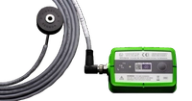
- Pore pressure and water levels: Piezometers and level sensors such as the Decentlab DL-PR36, read automatically instead of by rounds, with alarms tiered to the response plan.
- Pond level and freeboard: A radar level sensor such as the Milesight EM410-RDL over the pond or the decant structure.
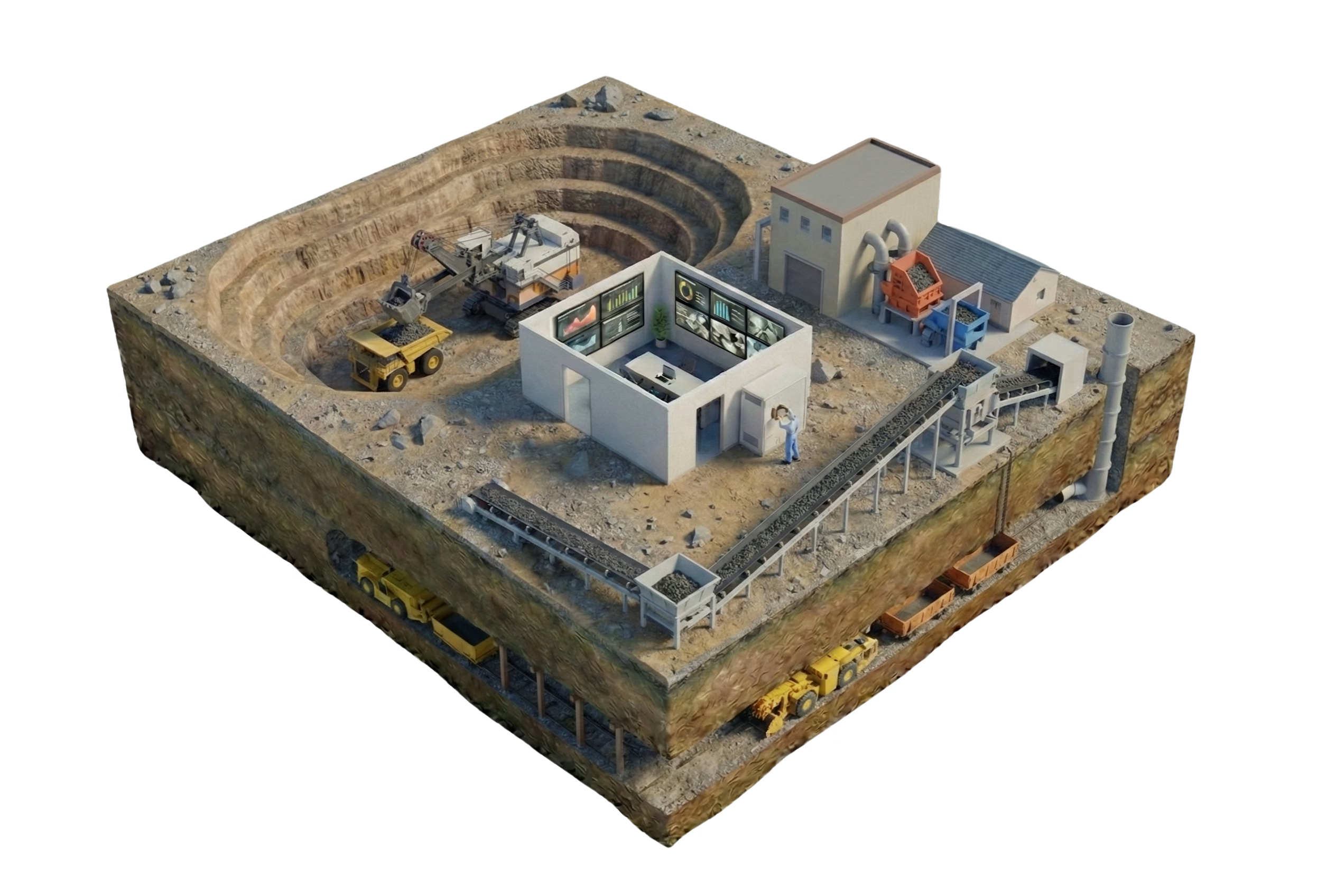
- Conveyors and crushers: Vibration and temperature with sensors such as the TWTG NEON to catch bearing and gearbox failures before they stop the plant.
- Dust and surface environment: Particulate matter with sensors such as the Decentlab DL-PM around the plant and the community boundary, as an indicative network.
Limits: LoRaWAN has no coverage underground unless gateways are installed in the galleries, and our standard sensors are not certified for explosive atmospheres. Gas monitoring in underground workings needs certified detectors and a local safety function that a cloud alarm cannot provide. Thresholds and response plans are set by the engineer of record, and water quality analyses stay in the laboratory.
How to plan a pilot
- 1. Start with one tailings facility: The one with the most manual readings or the next report due.
- 2. Connect the instruments that already exist: Vibrating wire piezometers and data loggers through LoRaWAN or the edge gateway, before adding new ones.
- 3. Load the thresholds of the engineer of record: Each tier with who is notified and how the response is recorded.
- 4. Hand the lender and the authority the same data: Exports for the yearly report, the quarterly report and the independent consultant.
Cloud Studio IoT runs in AWS (Frankfurt for Europe, US for the Americas) or on your own servers, and under your brand if you are a geotechnical firm or an integrator. Tell us about your operation.