

Reading existing water meters remotely: how it works and what to check first
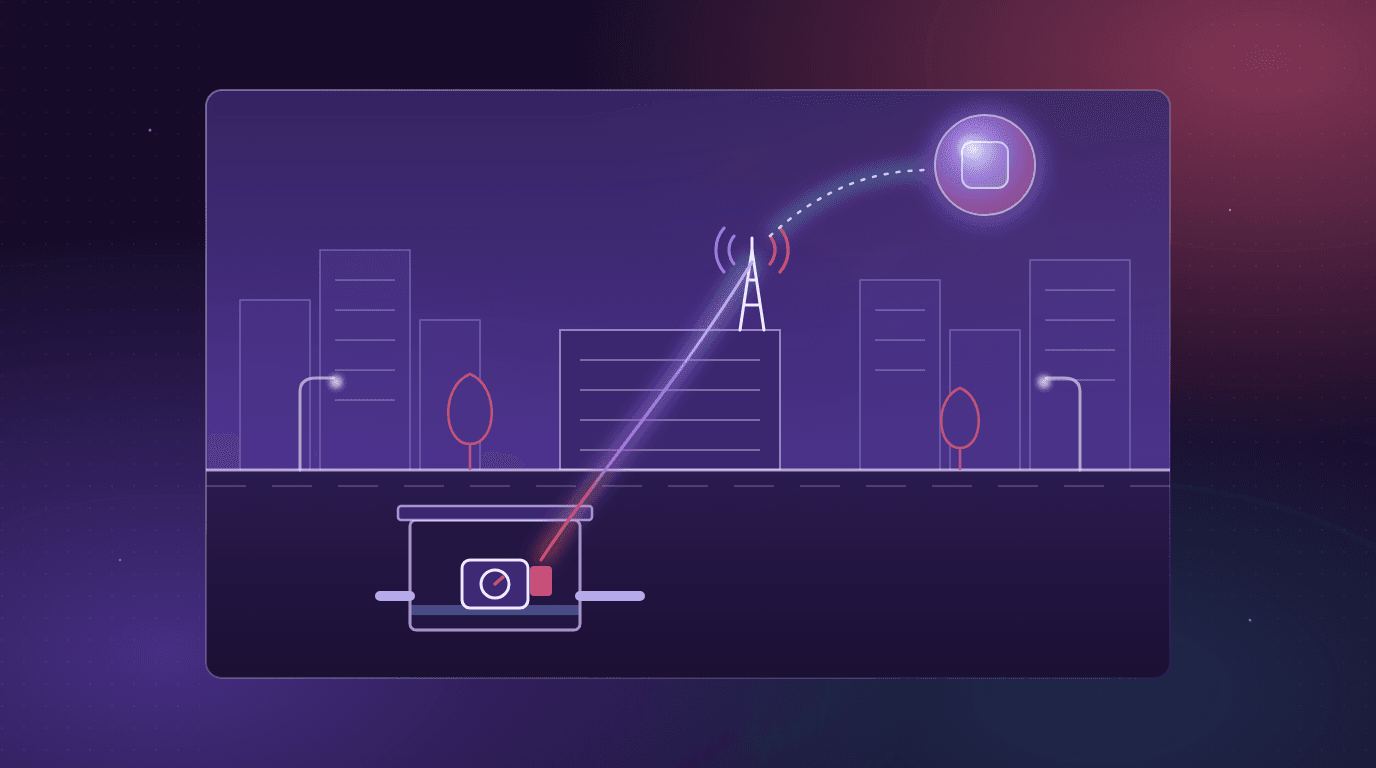
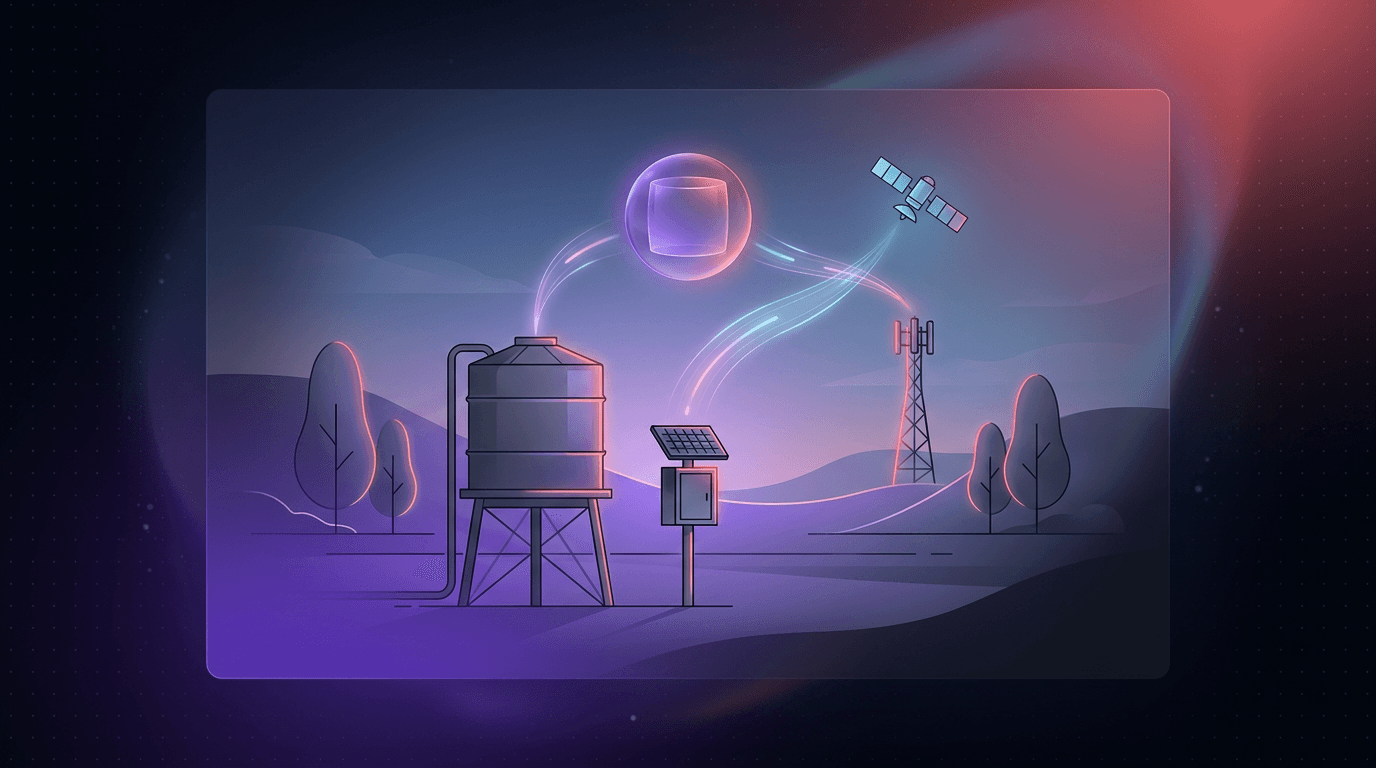
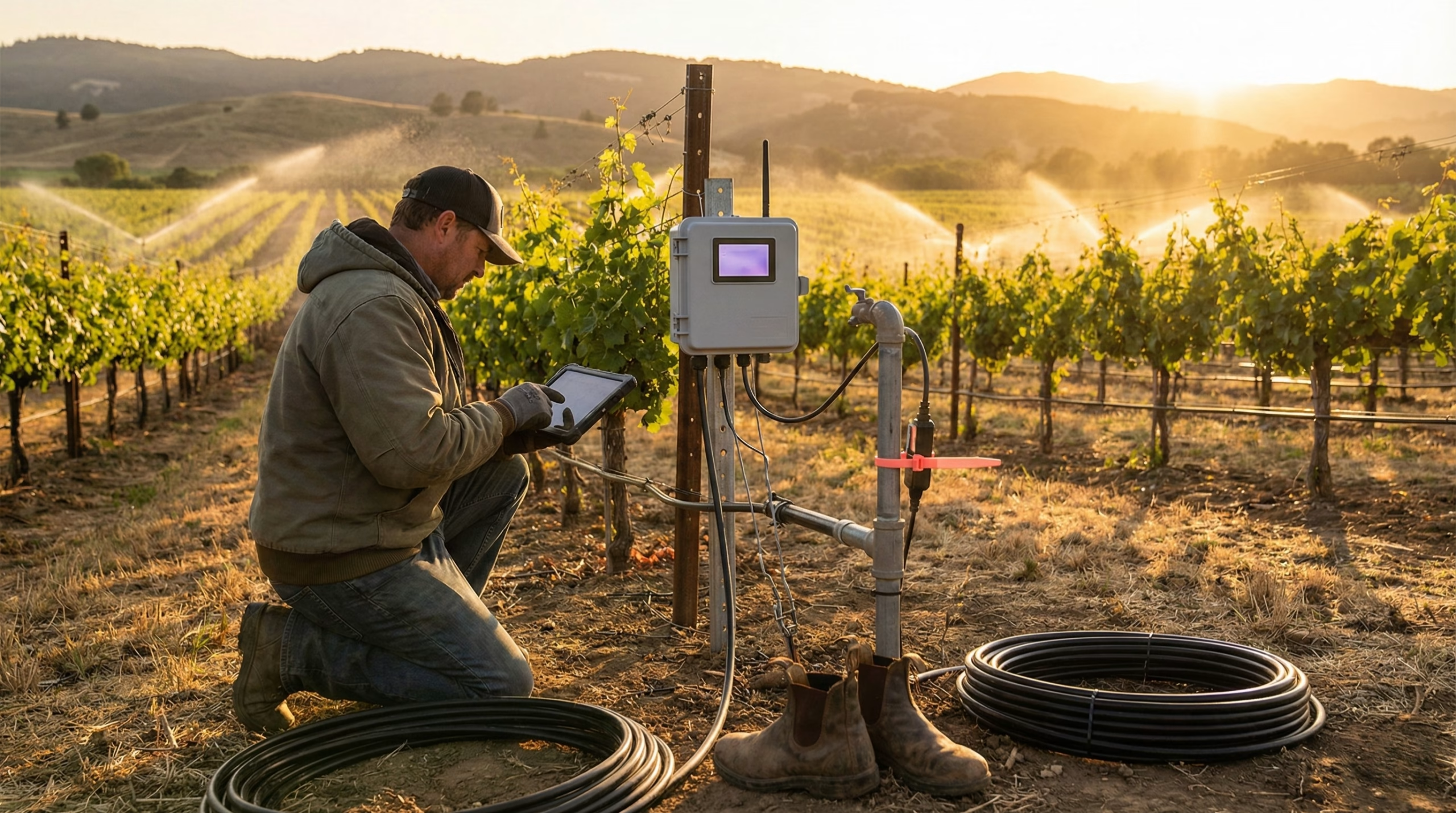
You do not always need new smart meters to read water consumption from a distance. Many meters already installed have a pulse output, or accept a pulse emitter from their maker, and a small radio reader can count those pulses and send them to a platform.
Three ways to read a meter remotely
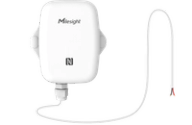
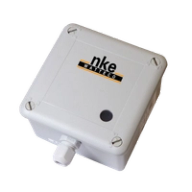
- Pulse output: the meter, or a pulse emitter fitted on it, closes a contact every so many liters. A battery reader counts the pulses and sends the total. This is what our kit does.
- Radio module from the maker: some meter ranges accept a radio module of their own brand that clips onto the register. It works well when the whole installation is one brand.
- Replacing the meter: a new meter with radio built in. The most complete option, and the most expensive when there are many meters in service.
What to check before you start
Look at the meter: whether it has a pulse output or a pulse emitter, and how many liters each pulse is worth. If it has neither, ask its maker whether a pulse emitter fits that model. Meters with no way to give pulses are the case where changing the meter makes sense.
Then check where the meters are: a meter room in the basement, boxes in the street or cupboards on each floor. That decides where the gateway goes and whether one is enough.
Who sells what
Meter makers and their partners, such as Kamstrup, Hidroconta, Contazara or B Meters, sell meters with radio and modules for their own ranges. Reading and billing service companies, such as Techem or ista, manage readings for buildings. Our approach is the platform: a pulse reader on the meters you already have, and the data for every building in one place, with alerts and exports.
| New radio meters | Pulse reader + platform | |
|---|---|---|
| Meters | Replaced | Kept, if they give pulses |
| Brands | Usually one per installation | Mixed brands on one platform |
| Best fit | Meters at end of life | Meters in service that give pulses |
Leaks: the night-flow rule
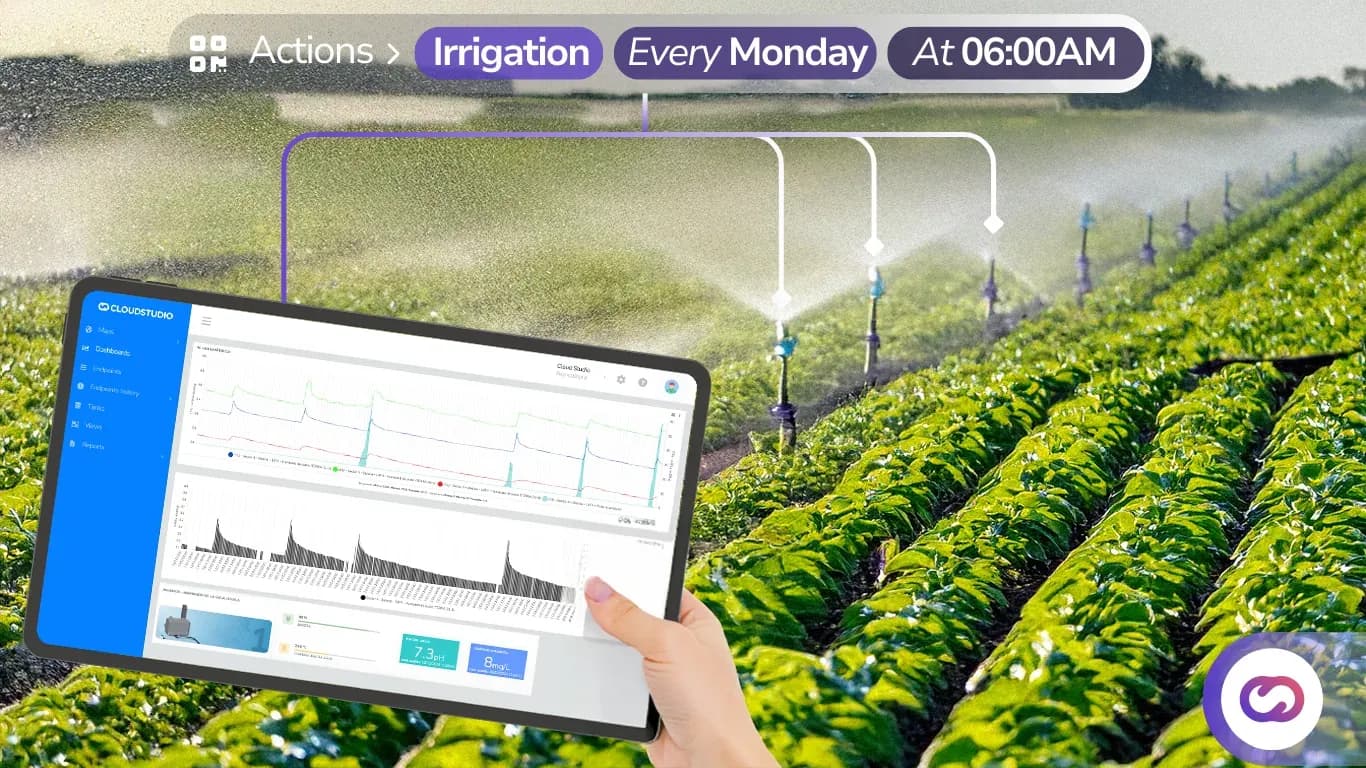
With hourly data, a leak shows up as consumption that never drops to zero, not even at four in the morning. Set a night window and a minimum flow per meter, and the platform sends an alert by email, SMS, WhatsApp, voice call or push when it is exceeded several nights in a row.
Where the data lives
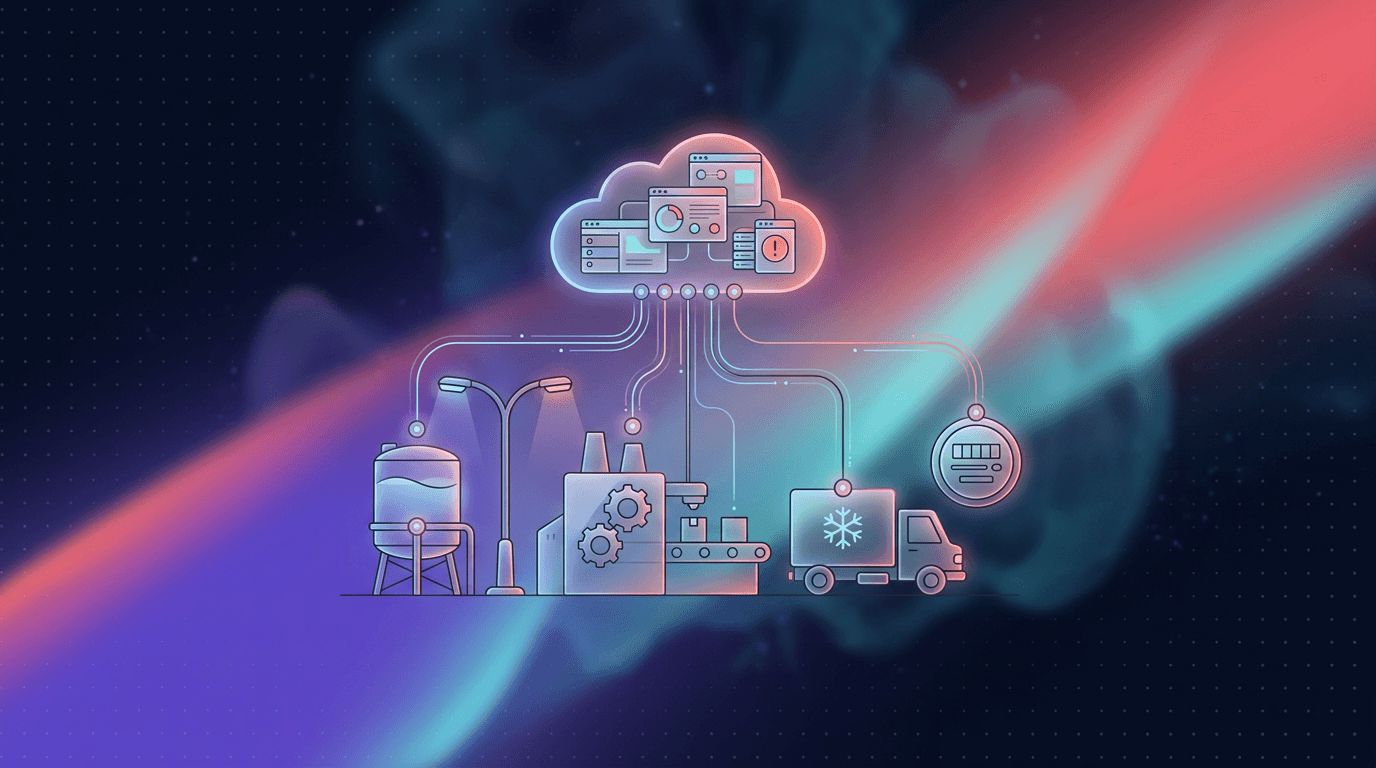
The platform runs on AWS (Frankfurt for Europe, United States for the rest of the world) or on your own servers. Readers connect through LoRaWAN network servers such as The Things Stack, LORIOT, ThingPark X, ChirpStack or Helium, and readings can be exported or taken through the API for billing.
Property managers and integrators can offer it to their clients under their own brand with the white-label option.