Early Fire Detection with IoT Technology
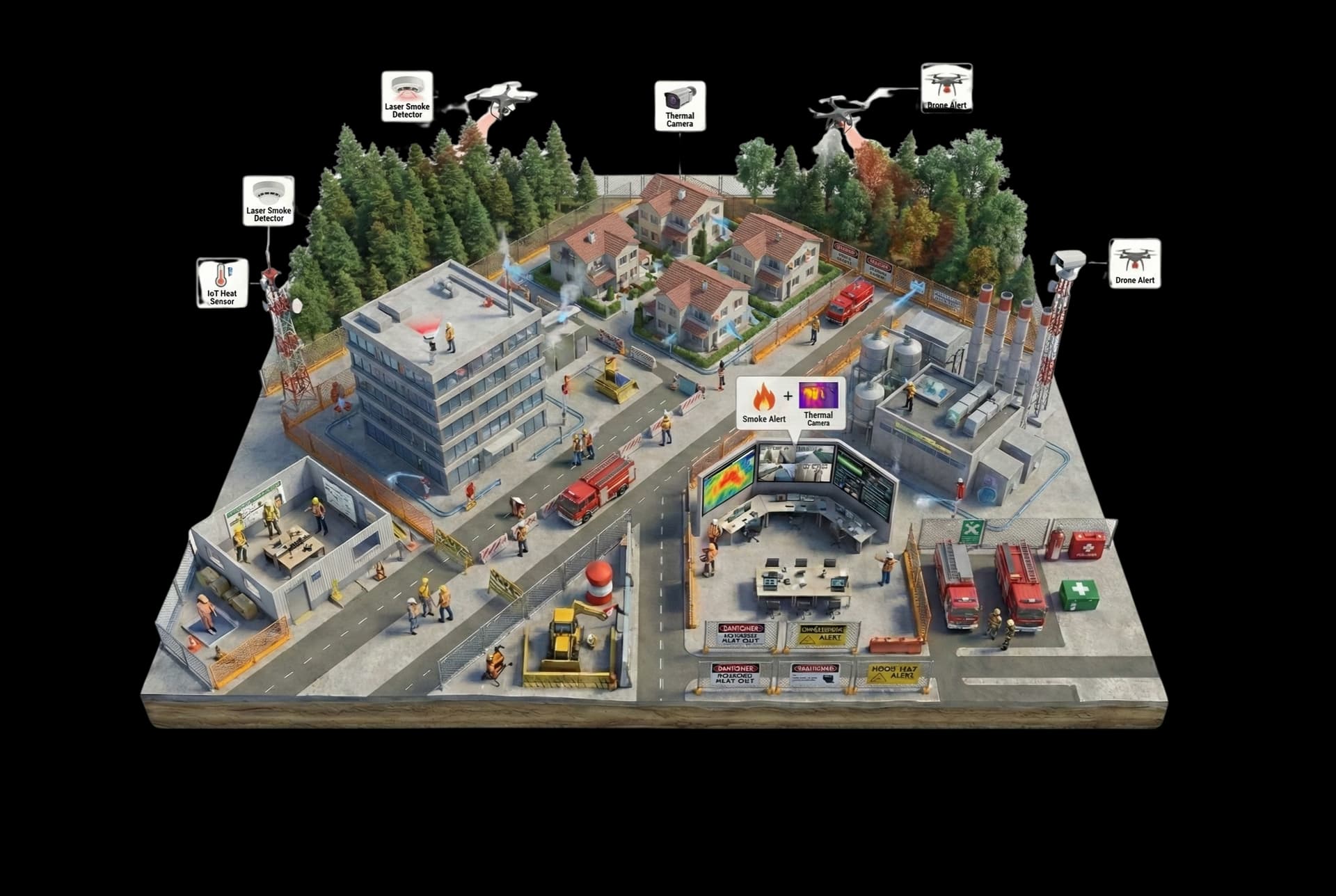
With our cutting-edge solution, you'll never have to worry about fire breaking out in your facilities again. Meet the all-in-one fire protection system that uses the power of IoT to keep you and your assets safe.

35%
Faster detection time compared to traditional systems

60%
Reduction in property damage

50%
Improvement in evacuation success

40%
Reduction in environmental impact

30%
Lower insurance premiums

99%
Detection reliability
01
0%
Early detection accuracy
02
0min
Average faster detection time
03
0%
Reduction in potential losses

🇺🇸 California, United States
Success Story
With MoviTHERM
0 month
Deployment Time
0%
Detection Accuracy
0
False Alarms
01
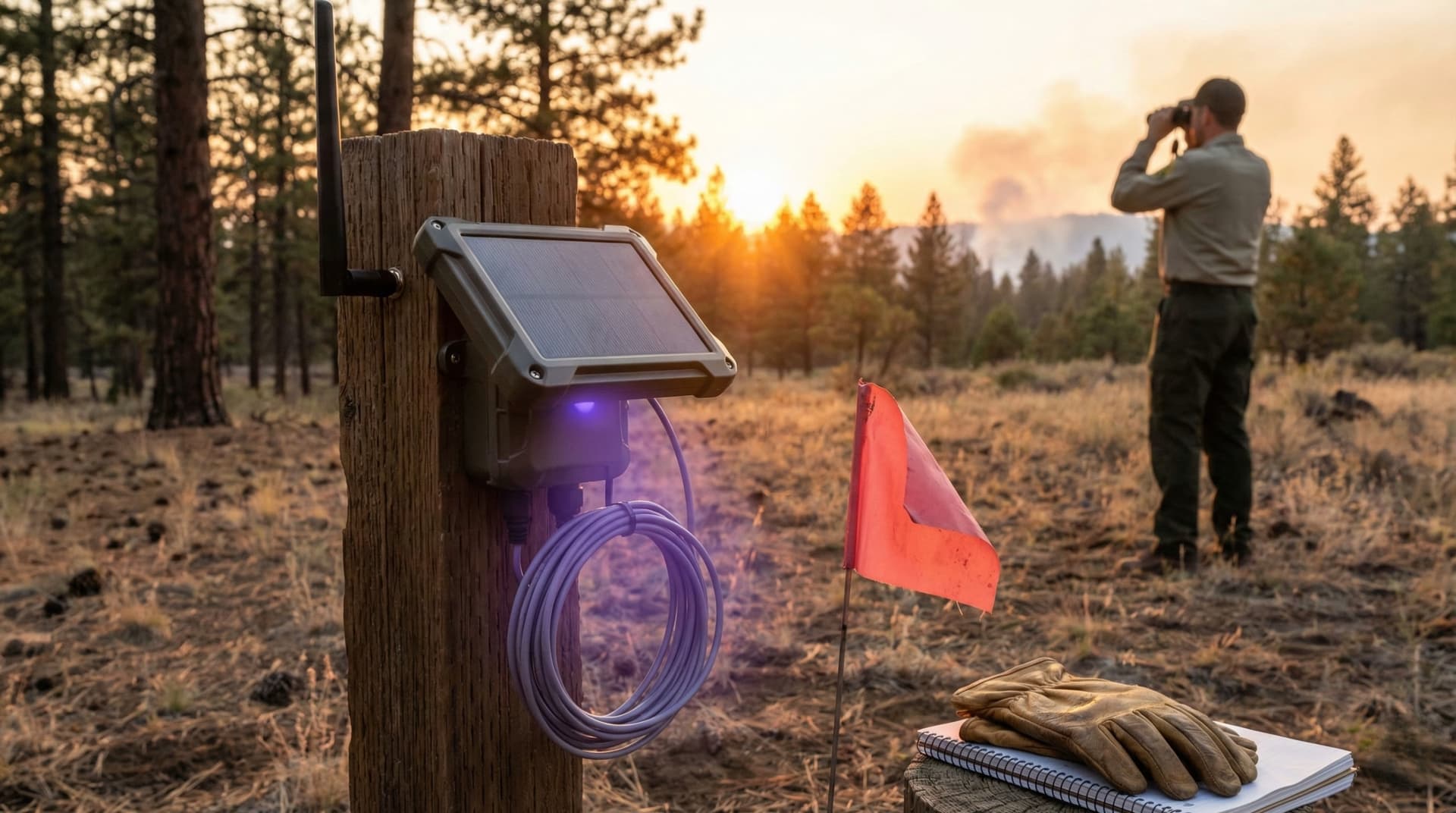
01
Wildfire Early Warning
Forestry services use our sensors to detect wildfires in remote areas, enabling faster response and resource allocation.
02
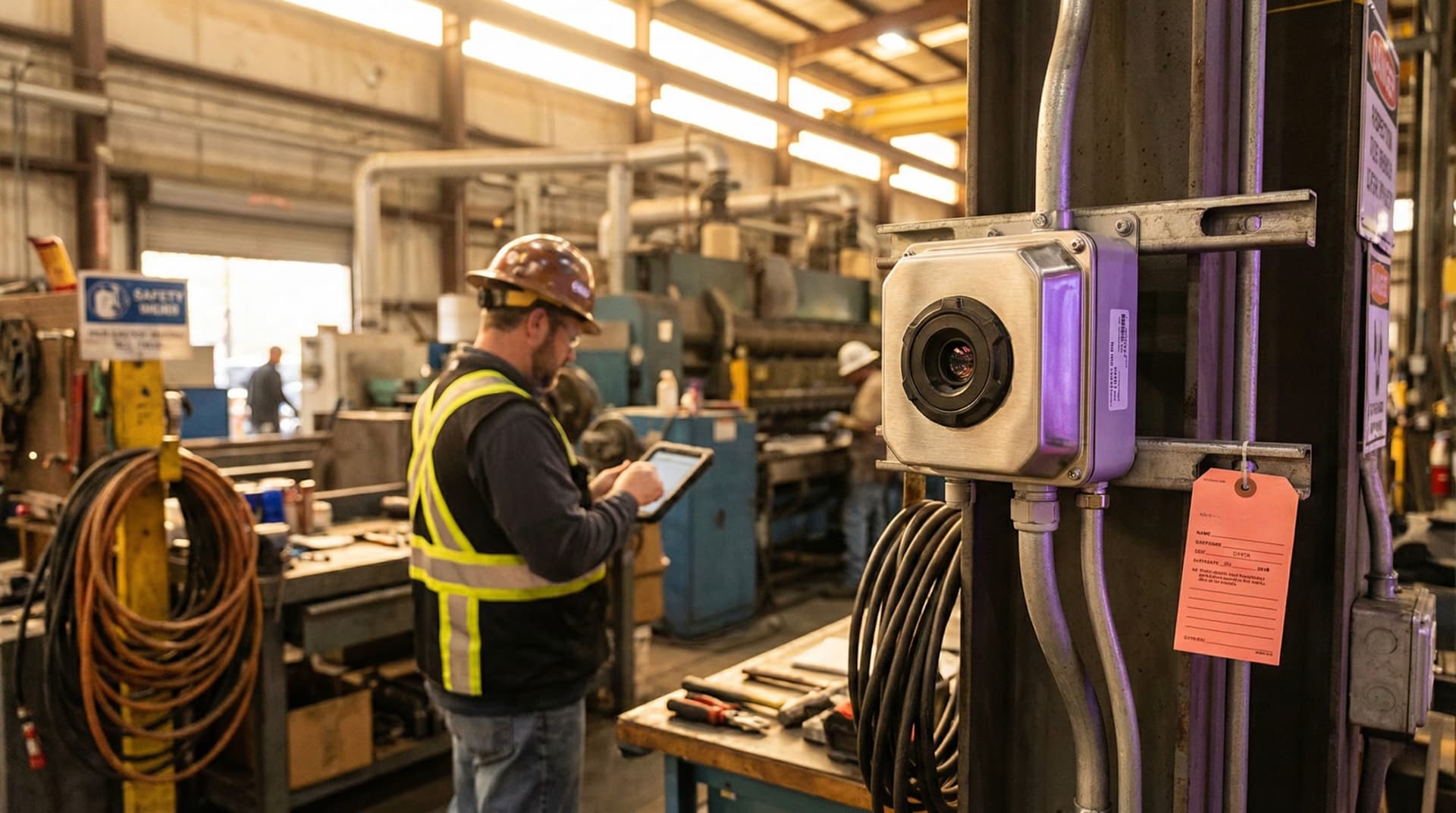
02
Industrial Fire Safety
Manufacturing facilities protect workers and assets with multi-sensor detection systems that minimize downtime.
Complete Fire Detection Solutions
Advanced sensors and AI-powered analytics for early fire detection and rapid response.
Thermal Imaging
Detect temperature anomalies before flames appear.
Smoke Analysis
Advanced smoke detection with reduced false alarms.
Multi-Sensor Integration
Combine thermal, smoke, gas, and video sensors for comprehensive coverage.
Smart Alerting
Instant notifications to authorities and stakeholders.
Precise Location
Identify exact location of fire for faster response.
Visual Verification
Video verification reduces false alarm response costs.
Early Fire Detection IoT: Frequently Asked Questions
Everything you need to know about implementing IoT for fire prevention and detection
Related Solutions
Explore more IoT solutions in this category



Get Started
Protect what matters with early detection
Advanced fire detection systems that save lives and property.