Software
The Things Network (TTN)
The Things Network is a community-driven, free LoRaWAN network with collaborative global coverage maintained by an open-source community.
The Things Network (TTN) is a global, community-built LoRaWAN ProtocolLoRaWANOpen long-range, low-power LPWANView profile network. Its coverage is crowdsourced: members install gateways and share them, and anyone can register devices for free. TTN uses The Things Stack Sandbox, a free and limited version of The Things Industries' network server, meant for non-commercial, small-scale testing and experimentation, without guarantees or an SLA.
How TTN works
A sensor sends a LoRaWAN uplink, and any TTN gateway in range receives it and forwards it over the internet to The Things Stack Sandbox. The Sandbox handles the LoRaWAN network logic and passes the data to your application, and from there you send it to your platform with integrations such as webhooks. For the full path from sensor to cloud, see how LoRaWAN works.
Fair use policy and limits
Because TTN is shared and free, it applies a Fair Use Policy per device:
- Uplinks: 30 seconds of airtime per day (24 hours) per node.
- Downlinks: 10 messages per day (24 hours) per node.
The limit is airtime, not a message count. A higher spreading factor needs more time on air for the same payload, so fewer messages fit in a day. On a private network these limits don't apply, although you still have to comply with regional radio regulations and the LoRaWAN specification.
TTN vs The Things Stack
The Things Stack is the LoRaWAN network server software built by The Things Industries; TTN is the community network that uses its free Sandbox deployment. For commercial projects, the vendor recommends an SLA-backed option:
- The Things Stack Cloud: a fully managed subscription with an SLA.
- The Things Stack Enterprise: installed on your own hardware or cloud.
- The Things Stack Open Source: the core features under Apache 2.0, which the vendor describes as limited in features and not suitable for production.
If you'd rather run your own network server, another open-source option is ChirpStack.
TTN and Cloud Studio IoT
Cloud Studio IoTITermIoT (Internet of Things)The IoT (Internet of Things) is the network of physical objects with sensors, software and connectivity that collect and exchange data and act autonomously.View profile has no built-in network server: LoRaWAN data arrives from an external one. In The Things Stack, the platform TTN runs on, you add it under Integrations > Webhooks > Add webhook by choosing the Cloud Studio template and entering your instance name and an access token. The steps are in the Cloud Studio IoT guide for The Things Stack.
Frequently asked questions
Is The Things Network free?+
Yes. TTN uses The Things Stack Sandbox, which is free for non-commercial, small-scale use. In exchange, it comes without guarantees or an SLA and applies a fair use policy.
What is the difference between TTN and The Things Stack?+
The Things Stack is the network server software; TTN is the community network that uses it in its Sandbox version. The Things Stack is also sold as Cloud and Enterprise editions for commercial deployments.
How many messages can I send on TTN?+
It depends on airtime: each device gets 30 seconds of uplink airtime and 10 downlink messages every 24 hours. Small payloads at low spreading factors fit many more messages than large payloads at high spreading factors.
Related terms
Related articles
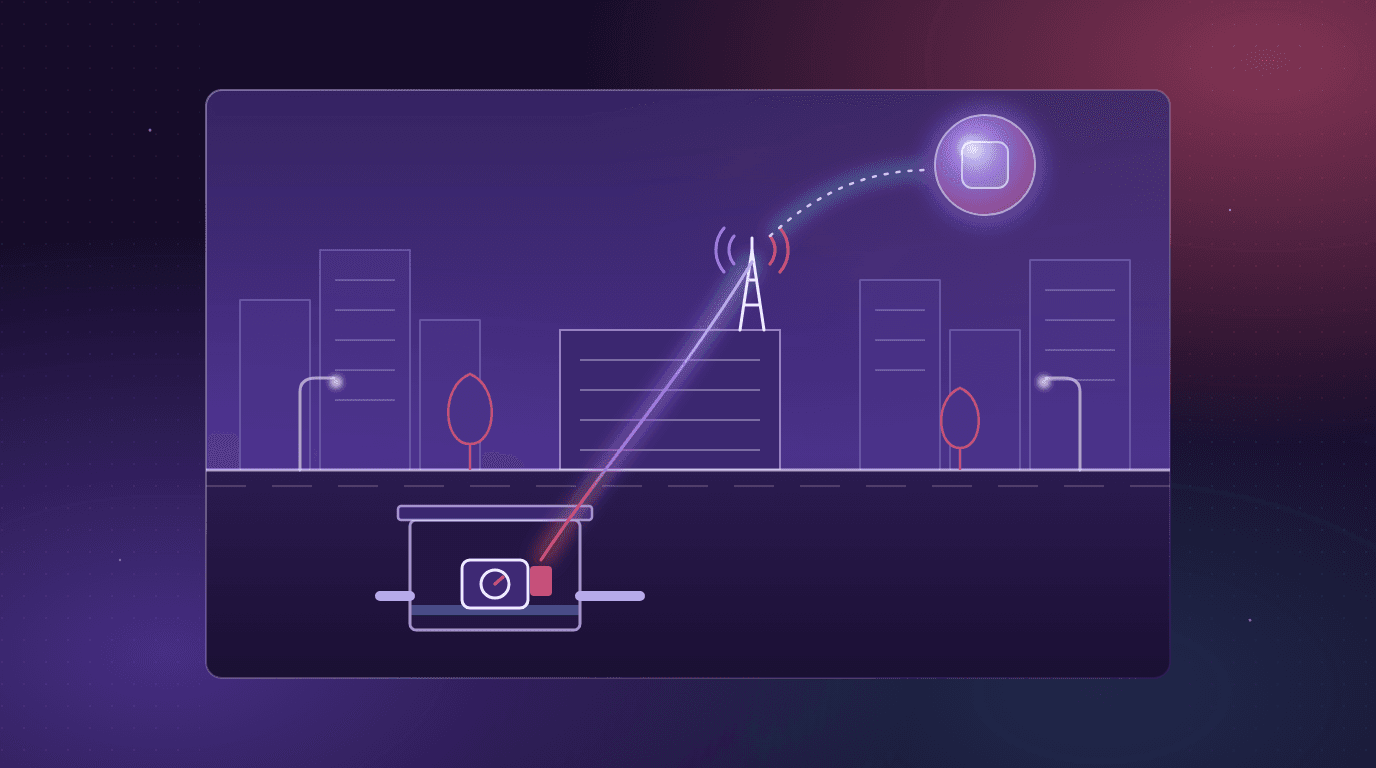
What Is NB-IoT? How Narrowband IoT Works and When to Use It
NB-IoT (narrowband IoT) explained: how it works, PSM and eDRX, NB-IoT vs LTE-M vs LoRaWAN vs Sigfox, operators in the US, Mexico and Spain, and when to use it.
Sep 22, 2026
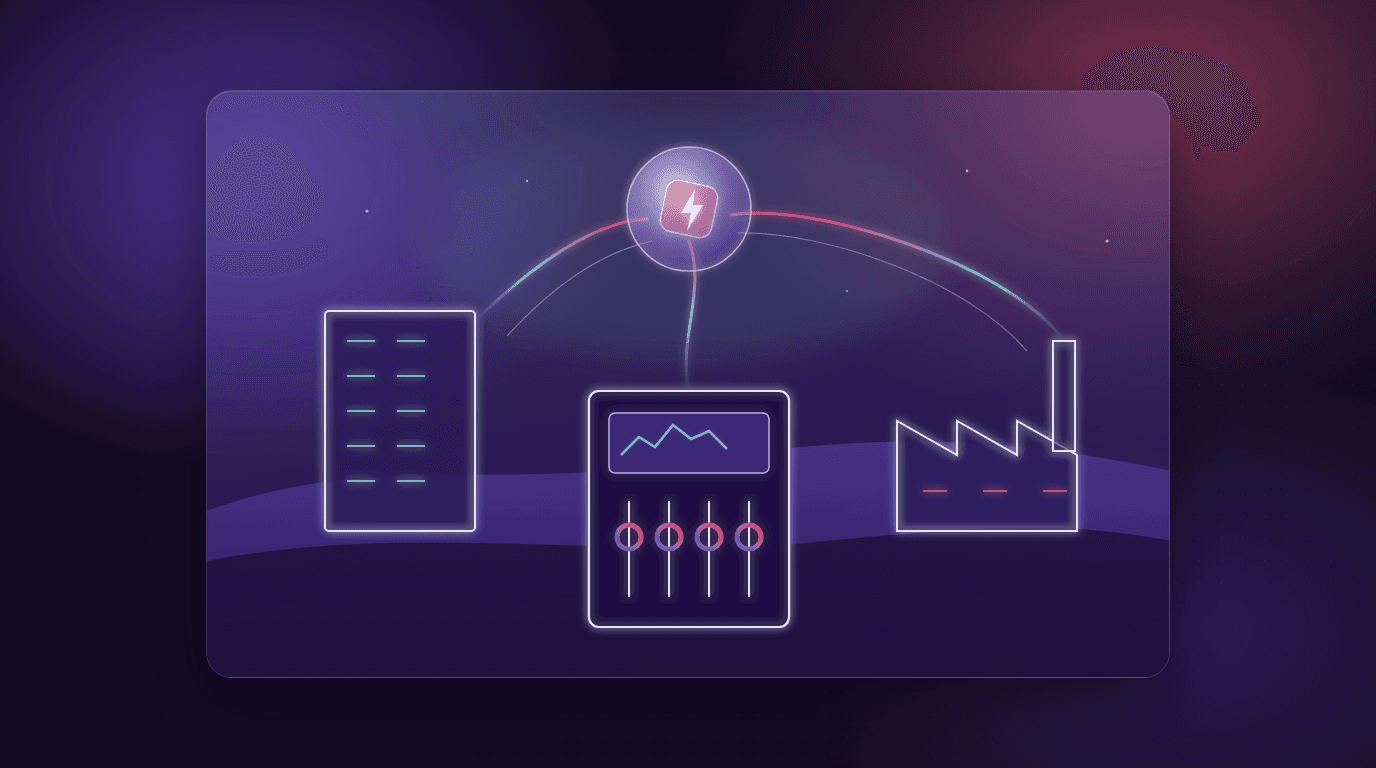
Energy Monitoring System: How It Works and Submetering
What an energy monitoring system is, its parts (meters, submeters, CT clamps, Modbus, gateways), what submetering is, key metrics, and how to start one.
Sep 22, 2026
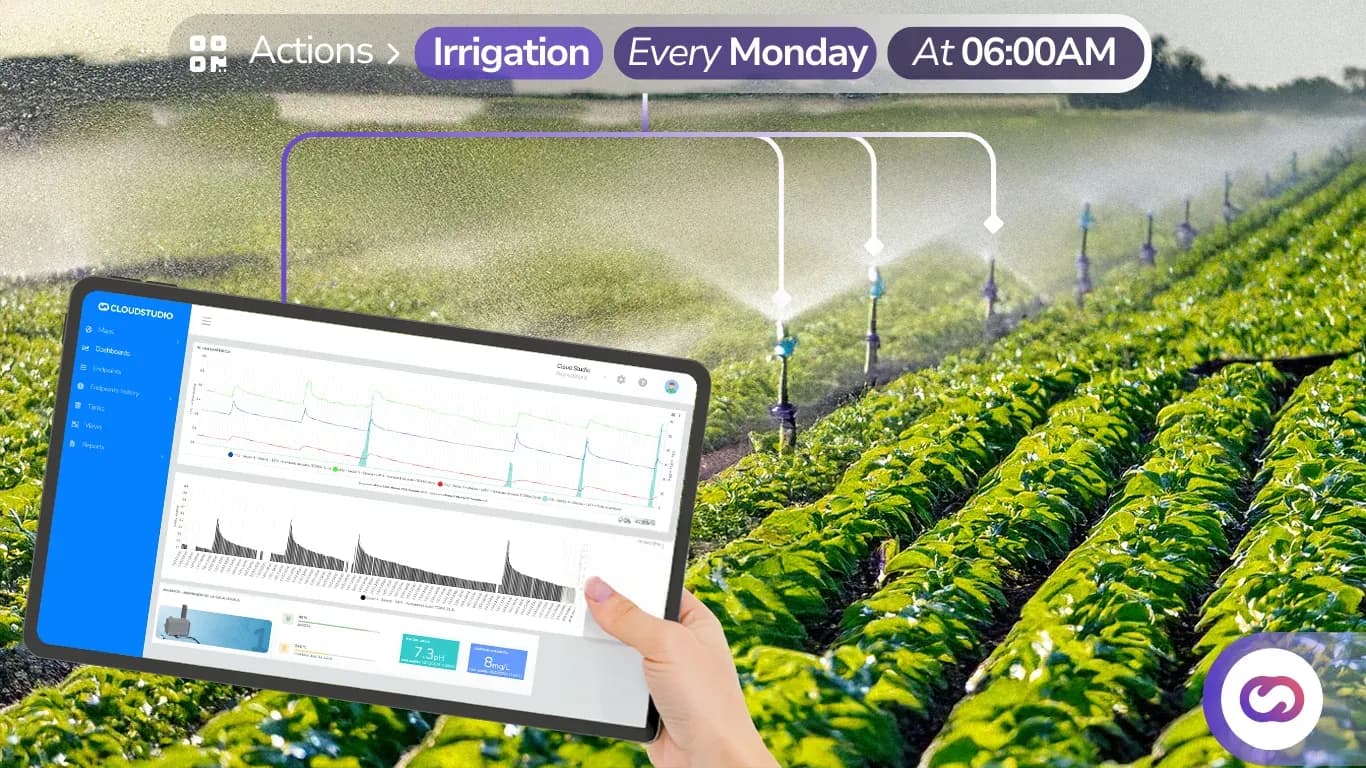
IoT Smart Farming: A Practical Guide to Smart Agriculture
How IoT smart farming works: the sensors, GPS, and imagery behind precision agriculture, LoRaWAN vs cellular vs satellite, and how to run a first pilot.
Sep 22, 2026
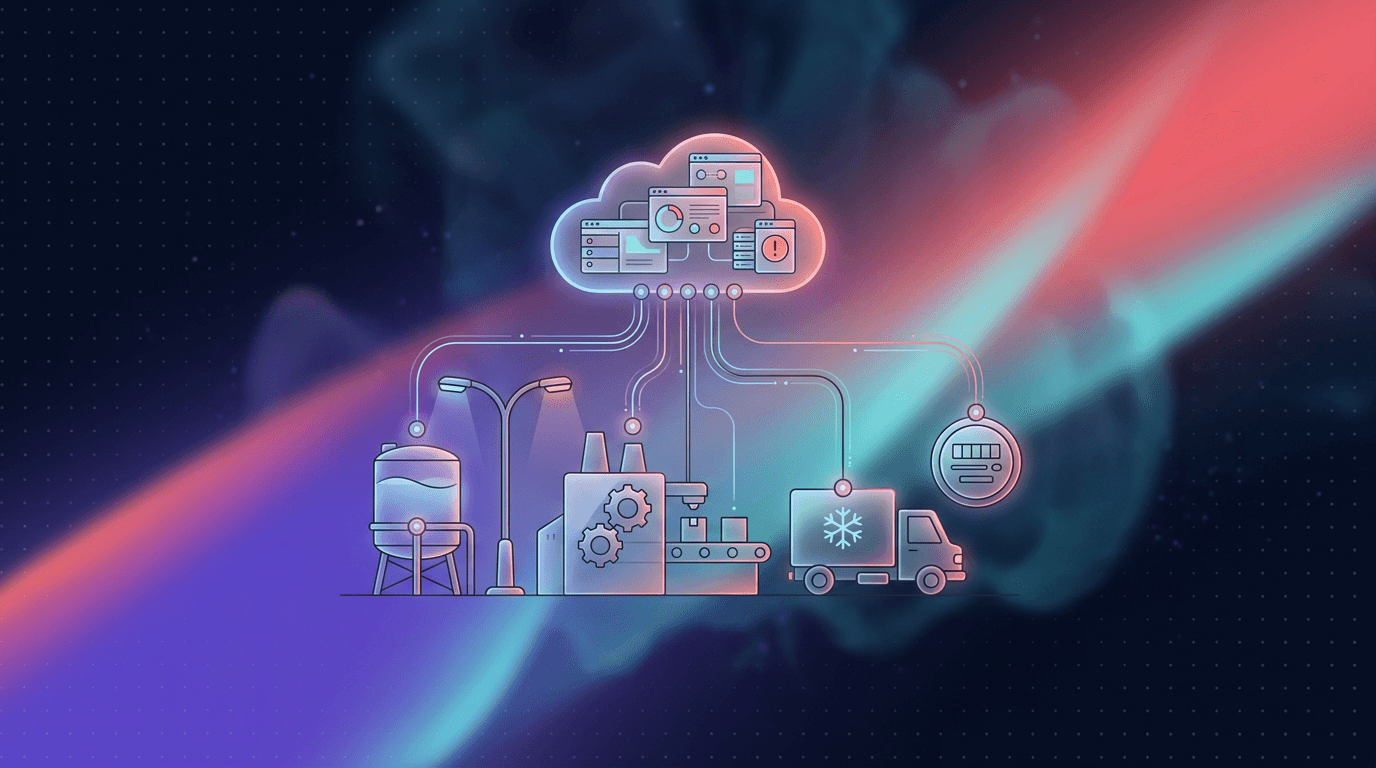
What Is IoT (Internet of Things)? How It Works and Examples
What IoT (the Internet of Things) means, how its four layers work, where the term came from, real examples by industry, IoT vs IIoT, the risks, and how a company starts an IoT project.
Sep 22, 2026
What Is Telemetry? How It Works, RTUs, and Examples
What telemetry is, how a telemetry system works from sensor to RTU to platform, where it's used, and how to set one up. Plus RTU vs PLC vs gateway.
Sep 22, 2026
LoRaWAN Network Server: What It Does and How to Choose
A LoRaWAN network server handles every message your sensors send, and the one you pick shapes your costs, who holds the keys, and how far the network can grow.
Sep 22, 2026