Software
ChirpStack
ChirpStack is an open-source LoRaWAN Network Server to deploy and manage private end-to-end LoRaWAN networks.
ChirpStack is an open-source LoRaWAN ProtocolLoRaWANOpen long-range, low-power LPWANView profile network server, released under the MIT license, that you install on your own servers to run private or public LoRaWAN networks. It includes a web interface to manage gateways, devices and tenants, a gRPC API, and integrations that forward device data to cloud services, databases and IoTITermIoT (Internet of Things)The IoT (Internet of Things) is the network of physical objects with sensors, software and connectivity that collect and exchange data and act autonomously.View profile platforms.
How ChirpStack works
A typical deployment has these parts:
- Gateways: they run the Semtech UDP Packet Forwarder, Basics Station or the ChirpStack MQTT
 ProtocolMQTTThe standard pub/sub protocol of IoTView profile Forwarder.
 - ChirpStack Gateway Bridge: converts UDP Packet Forwarder or Basics Station traffic into MQTT, and can run on the gateway or in the cloud.
- MQTT broker: carries gateway events and commands. It must implement MQTT v5.0 and support shared subscriptions; Mosquitto is a common choice.
- ChirpStack: the network server itself, which stores data in PostgreSQL (13 or later) or SQLite, and device sessions, metrics and cache in Redis (6.2.0 or later).
Since version 4, released in 2022, the former Network Server and Application Server are a single component written in Rust, with multi-region support in one instance.
ChirpStack integrations
ChirpStack sends device events, such as uplinks, to other systems through integrations. The documentation lists HTTP, MQTT, AMQP/RabbitMQ, Apache Pulsar, AWS SNS, Azure Service Bus, GCP Pub/Sub, InfluxDB, PostgreSQL, IFTTT, myDevices, Pilot Things and ThingsBoard.
ChirpStack vs The Things Network
Both handle LoRaWAN traffic, but one is software and the other is a network:
- ChirpStack: software you install and operate yourself, on your servers and with your gateways, under the MIT license.
- The Things Network: a shared community network on The Things Stack Sandbox, free for non-commercial, small-scale use, with no SLA and a fair use policy of 30 seconds of uplink airtime and 10 downlinks per device per day.
If you want to self-host, the comparable product from The Things Industries is The Things Stack Enterprise. Its Open Source edition, according to the vendor, is limited in features and not suitable for production.
ChirpStack and Cloud Studio IoT
Cloud Studio IoT integrates with ChirpStack, as it does with The Things Stack, LORIOT, ThingPark X, Helium and Orbiwise. The platform does not include its own network server: ChirpStack runs the LoRaWAN network and Cloud Studio IoT receives the device data to show it in dashboards, raise alarms and share it with each client. It can also receive from several network servers at once.
Frequently asked questions
Is ChirpStack free?+
Yes. ChirpStack is open source under the MIT license, so there are no license fees. Your costs are the servers and gateways you run it on.
What is the difference between ChirpStack and TTN?+
ChirpStack is a network server you host yourself; The Things Network is a public community network you join. TTN is free but has usage limits and no SLA, while with ChirpStack the infrastructure and its capacity are up to you.
What do I need to install ChirpStack?+
An MQTT broker that supports MQTT v5.0 and shared subscriptions (such as Mosquitto), PostgreSQL 13 or later (or SQLite) and Redis 6.2.0 or later. The documentation has guides for Docker, Debian/Ubuntu and Raspberry Pi.
Related terms
Related articles
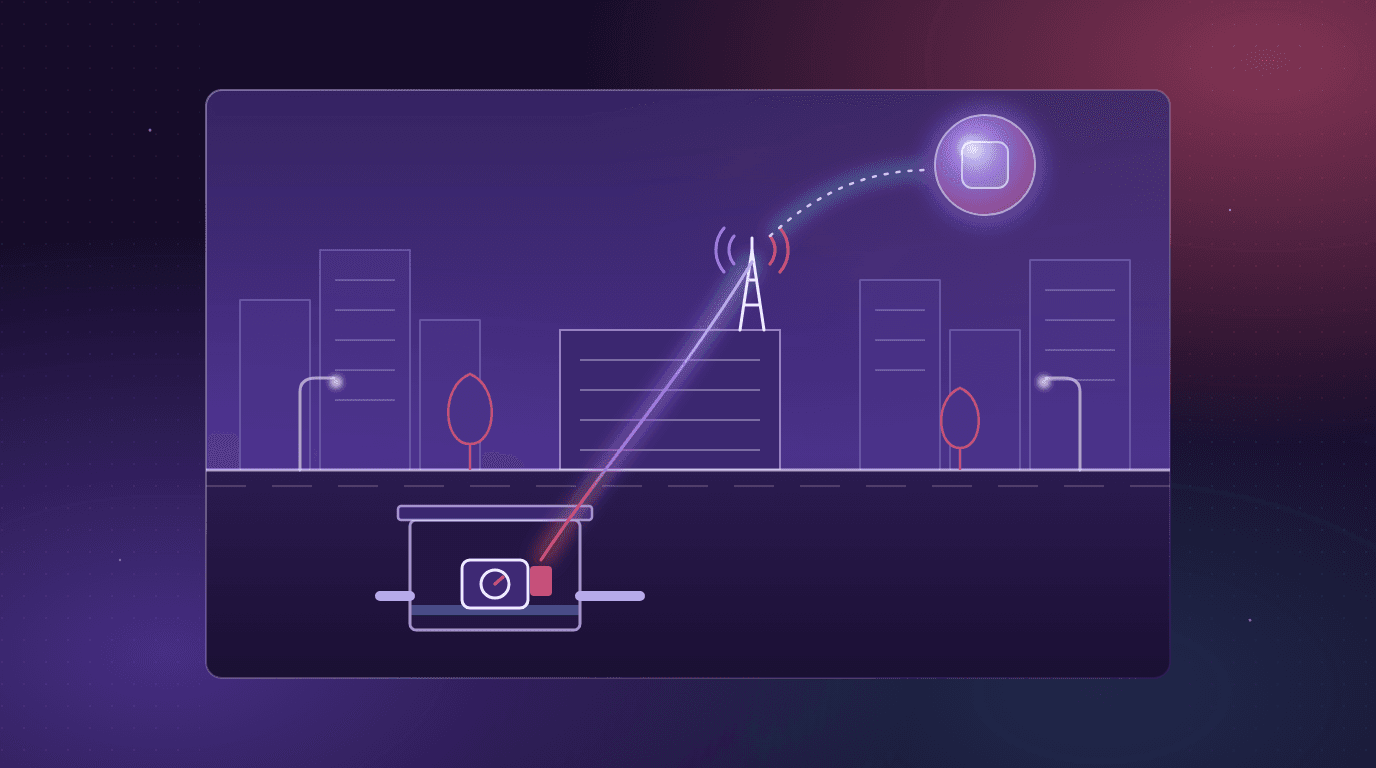
What Is NB-IoT? How Narrowband IoT Works and When to Use It
NB-IoT (narrowband IoT) explained: how it works, PSM and eDRX, NB-IoT vs LTE-M vs LoRaWAN vs Sigfox, operators in the US, Mexico and Spain, and when to use it.
Sep 22, 2026
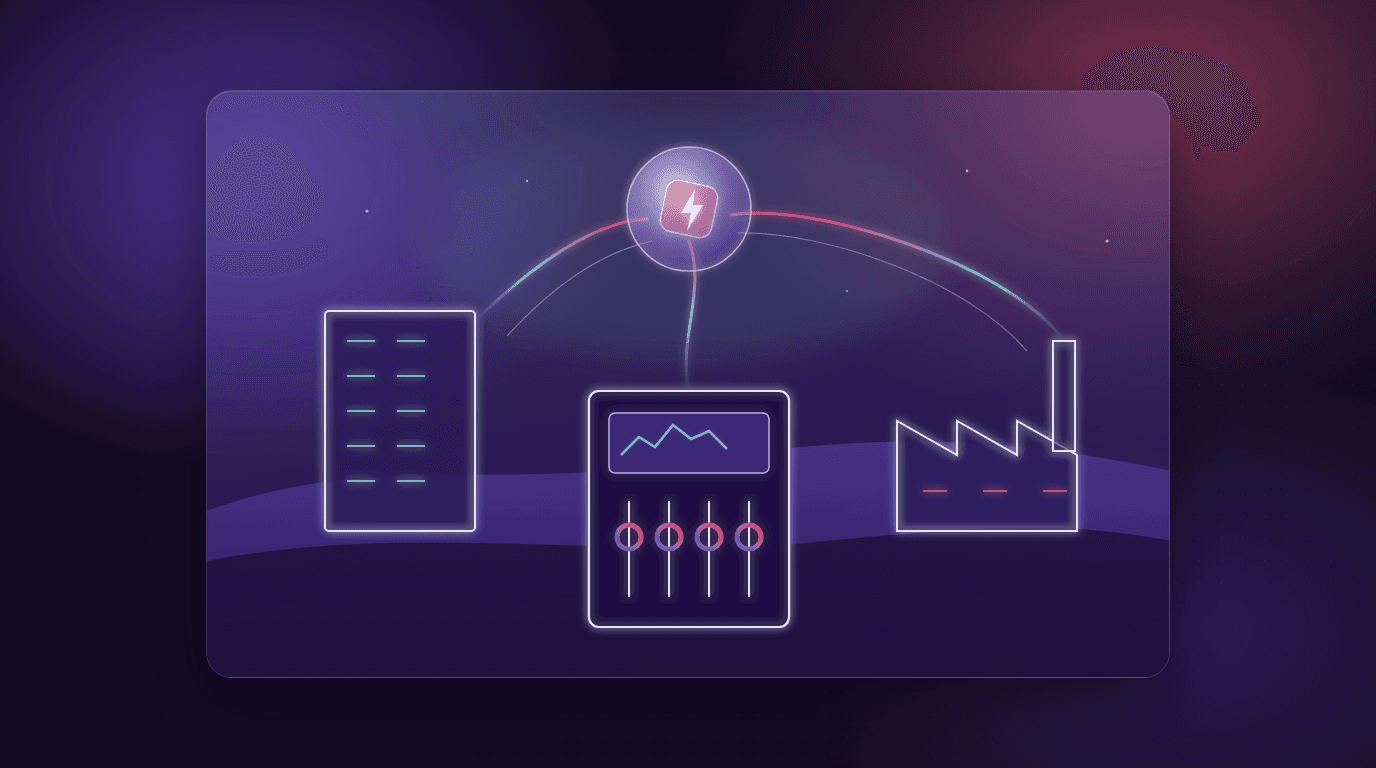
Energy Monitoring System: How It Works and Submetering
What an energy monitoring system is, its parts (meters, submeters, CT clamps, Modbus, gateways), what submetering is, key metrics, and how to start one.
Sep 22, 2026
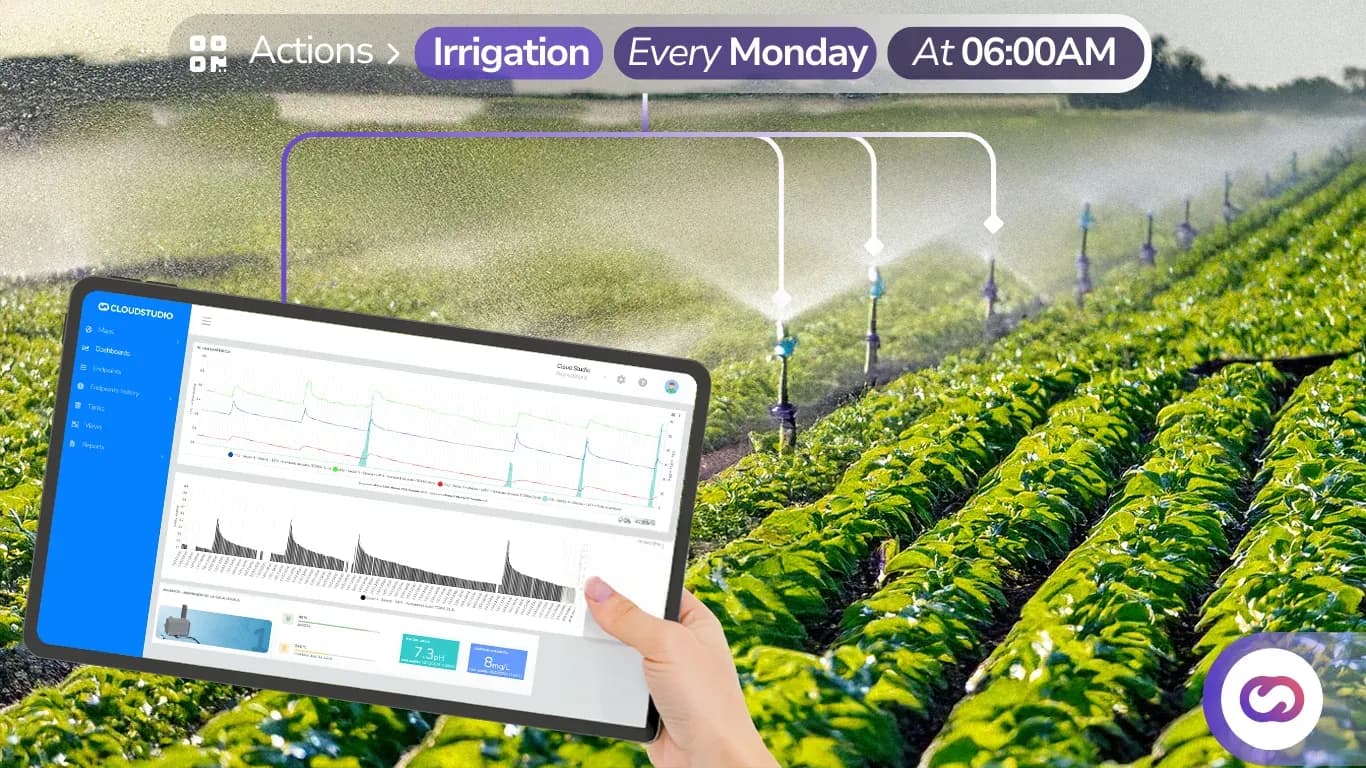
IoT Smart Farming: A Practical Guide to Smart Agriculture
How IoT smart farming works: the sensors, GPS, and imagery behind precision agriculture, LoRaWAN vs cellular vs satellite, and how to run a first pilot.
Sep 22, 2026
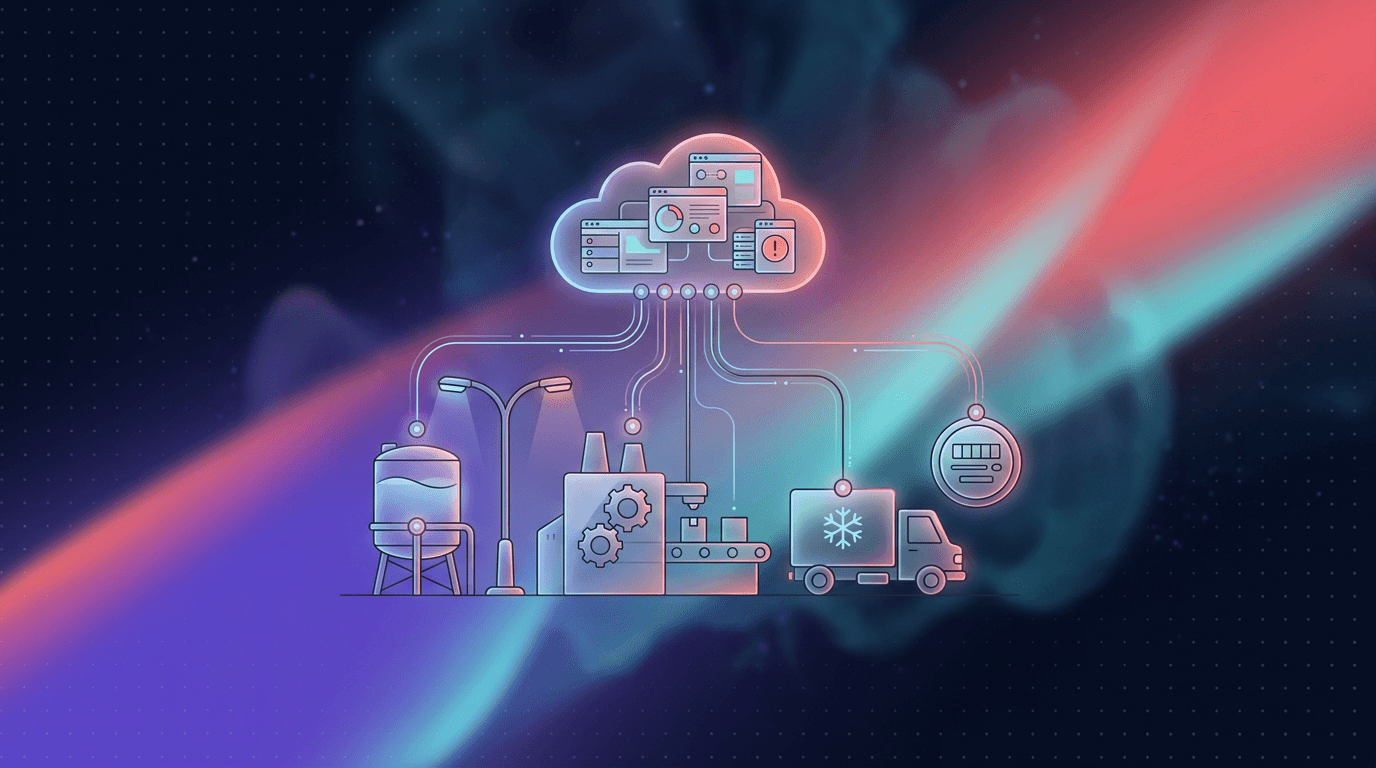
What Is IoT (Internet of Things)? How It Works and Examples
What IoT (the Internet of Things) means, how its four layers work, where the term came from, real examples by industry, IoT vs IIoT, the risks, and how a company starts an IoT project.
Sep 22, 2026
What Is Telemetry? How It Works, RTUs, and Examples
What telemetry is, how a telemetry system works from sensor to RTU to platform, where it's used, and how to set one up. Plus RTU vs PLC vs gateway.
Sep 22, 2026
LoRaWAN Network Server: What It Does and How to Choose
A LoRaWAN network server handles every message your sensors send, and the one you pick shapes your costs, who holds the keys, and how far the network can grow.
Sep 22, 2026