Software
AWS IoT Core
AWS IoT Core is the managed Amazon Web Services service to connect, authenticate and manage IoT devices at scale via MQTT on AWS infrastructure.
AWS IoT Core is the Amazon Web Services managed service that connects IoTITermIoT (Internet of Things)The IoT (Internet of Things) is the network of physical objects with sensors, software and connectivity that collect and exchange data and act autonomously.View profile devices to the AWS cloud. Devices publish and subscribe through its message broker over MQTT ProtocolMQTTThe standard pub/sub protocol of IoTView profile, MQTT over WebSocket or HTTPS, and its rules engine sends the data to other AWS services such as Lambda, DynamoDB, S3 or Kinesis.
How AWS IoT Core works
- Message broker: supports MQTT 3.1.1 and MQTT 5, with some differences from the specification. It supports QoS 0 and 1, but not QoSMTermMQTT QoSMQTT QoS (Quality of Service) defines a message's delivery guarantee at three levels: 0 (at most once), 1 (at least once) and 2 (exactly once).View profile 2.
- Authentication: X.509 client certificates, AWS Signature Version 4 or custom authorizers backed by a Lambda function. All communication is encrypted with TLS 1.2 or 1.3.
- Rules engine: SQL-based rules filter and transform messages and send them to AWS services.
- Device Shadow: a JSON document per device with desired, reported and delta state, so apps can read or change a device's state even while it is offline.
- AWS IoT Core for LoRaWAN
 ProtocolLoRaWANOpen long-range, low-power LPWANView profile: a managed LoRaWAN network server, so you don't have to operate your own.
AWS IoT Core pricing
AWS bills separately for connectivity, messaging, Device Shadow and registry, and the rules engine, plus optional components such as AWS IoT Core for LoRaWAN. According to AWS, you pay only for the components you use, with no minimum or mandatory usage fee. With Basic Ingest, device data goes straight to rules without messaging costs.
AWS IoT Core vs an IoT application platform
The job of AWS IoT Core is to connect devices and route their messages. The part people use, such as dashboards, alarms and user management, is built on top: rules send the data to services like AWS IoT SiteWise, Amazon OpenSearch Service or your own web application.
Cloud Studio IoT is an alternative for teams that want an application platform with dashboards, alarms and white-label out of the box instead of assembling them. Each instance has its own MQTT server, with TLS on port 8883. If you are comparing brokers, see the complete MQTT broker guide.
Frequently asked questions
What is the difference between AWS IoT and AWS IoT Core?+
AWS IoT is the umbrella name for the IoT services of Amazon Web Services. AWS IoT Core is the part that connects devices, handles MQTT and HTTPS messaging and runs the rules that route data to other services.
Does AWS IoT Core support MQTT QoS 2?+
No. AWS IoT Core supports QoS 0 and 1. The MQTT protocol defines a third level, QoS 2, but AWS IoT does not support it.
Which protocols does AWS IoT Core support?+
MQTT, MQTT over WebSocket Secure and HTTPS, plus LoRaWAN through AWS IoT Core for LoRaWAN. Over HTTPS, clients can only publish; subscribing requires MQTT.
Related terms
Related articles

IoT Scalability: How to Go From 100 to 10,000 Devices
IoT scalability is never proven by the pilot: a 100-sensor deployment has nothing in common with a 10,000-device one, and the pilot works perfectly right up to
Oct 15, 2026

Multi-Tenant IoT Platform: A Guide for Integrators
A multi-tenant IoT platform is the difference between serving twelve clients and running twelve separate systems in order to do it.
Oct 8, 2026
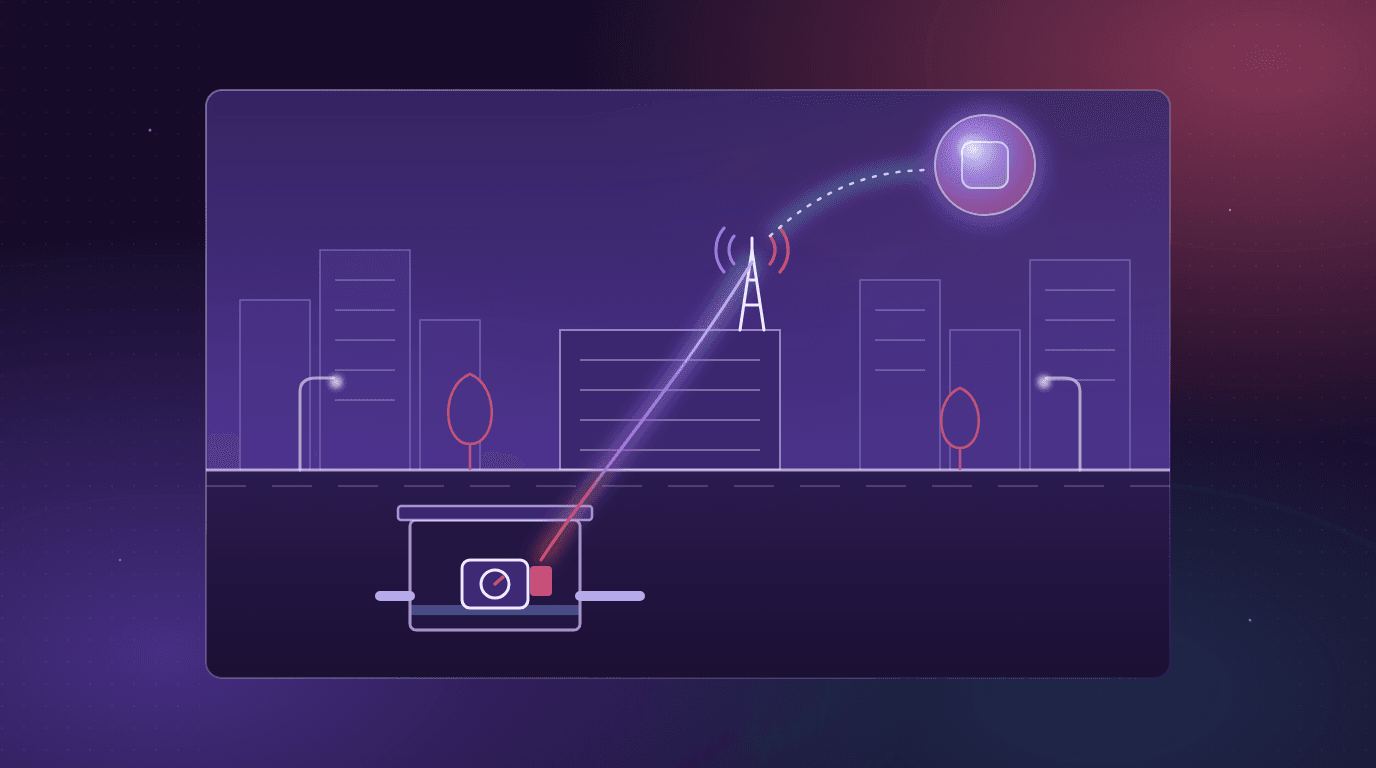
What Is NB-IoT? How Narrowband IoT Works and When to Use It
NB-IoT (narrowband IoT) explained: how it works, PSM and eDRX, NB-IoT vs LTE-M vs LoRaWAN vs Sigfox, operators in the US, Mexico and Spain, and when to use it.
Sep 22, 2026
Energy Monitoring System: How It Works and Submetering
What an energy monitoring system is, its parts (meters, submeters, CT clamps, Modbus, gateways), what submetering is, key metrics, and how to start one.
Sep 22, 2026
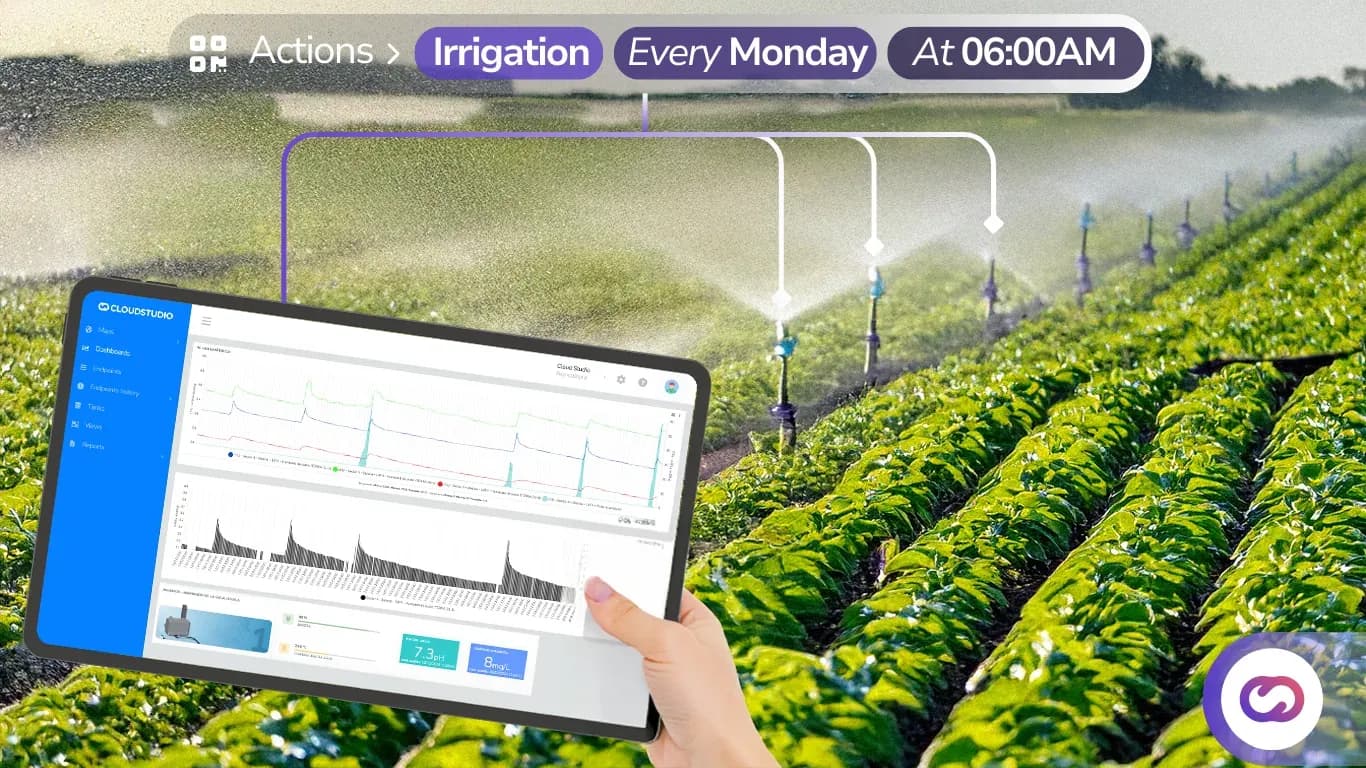
IoT Smart Farming: A Practical Guide to Smart Agriculture
How IoT smart farming works: the sensors, GPS, and imagery behind precision agriculture, LoRaWAN vs cellular vs satellite, and how to run a first pilot.
Sep 22, 2026

What Is IoT (Internet of Things)? How It Works and Examples
What IoT (the Internet of Things) means, how its four layers work, where the term came from, real examples by industry, IoT vs IIoT, the risks, and how a company starts an IoT project.
Sep 22, 2026